
Colombian cuisine is a vibrant tapestry of flavors, textures, and aromas that reflect the country’s rich cultural diversity and regional heritage. From the bustling streets of Bogotá to the sun-soaked Caribbean coast, each region of Colombia has its own culinary identity, making the nation a treasure trove for anyone passionate about cooking. While enjoying Colombian dishes at restaurants is delightful, there is an unparalleled joy in recreating these traditional flavors in your own kitchen, transforming ordinary meals into festive celebrations of culture and taste.
Understanding the Essence of Colombian Cuisine
Before diving into recipes and techniques, it’s essential to understand what makes Colombian food truly unique. Colombian cuisine is built on fresh, local ingredients, often combining simple staples like corn, potatoes, rice, beans, and tropical fruits with robust proteins such as beef, chicken, pork, and seafood. The magic lies not only in the ingredients but in the balance of flavors—a delicate interplay between savory, sweet, and tangy that evokes warmth and comfort.
Each region contributes distinct elements to this culinary mosaic. The Andean highlands favor hearty soups and stews, the Caribbean coast emphasizes seafood and coconut-infused dishes, and the Pacific region delights in exotic tropical flavors with a hint of spice. By understanding these regional distinctions, home cooks can approach Colombian recipes with greater authenticity, even when ingredients are substituted or adapted for local availability.
Mastering the Art of Colombian Soups
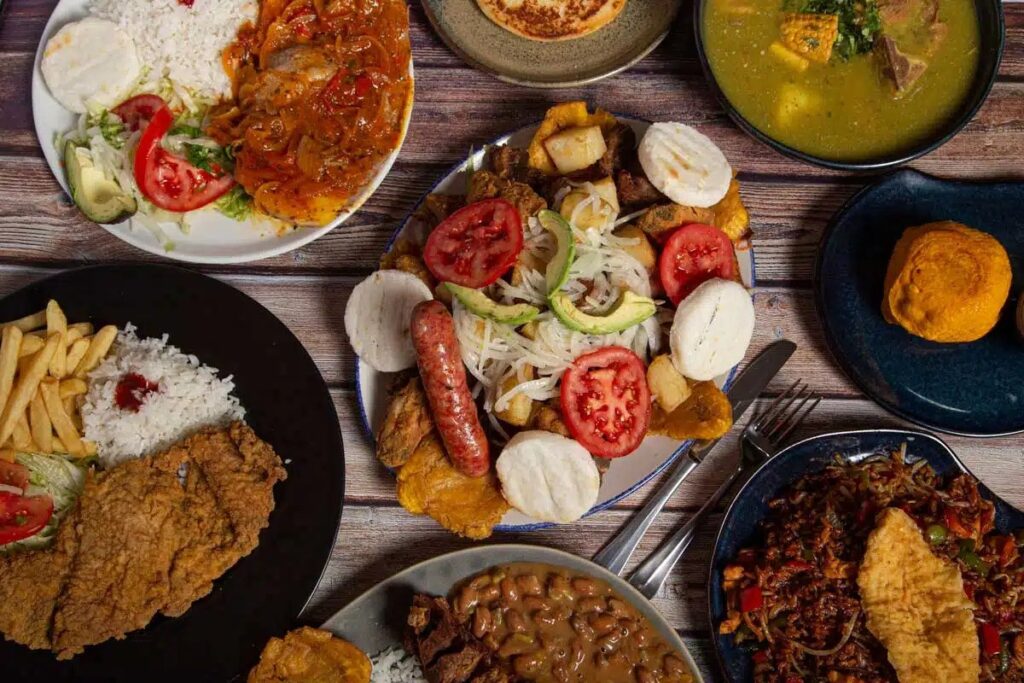
No Colombian table is complete without a comforting bowl of soup. Perhaps the most iconic is Ajiaco, a traditional chicken and potato soup from Bogotá. Ajiaco is more than just a dish; it’s an experience of flavors layered through the slow simmering of chicken, three varieties of potatoes, corn, and the uniquely Colombian herb guasca. The final touch is a swirl of cream and a sprinkle of capers, adding richness and a hint of acidity that makes the soup unforgettable.
When preparing Ajiaco at home, the key is patience. Letting the ingredients simmer together allows the flavors to meld naturally, creating a depth that instant cooking methods can’t replicate. Serving it with freshly baked arepas or a slice of crusty bread elevates the experience, inviting your family or guests to savor each spoonful.
Another beloved soup is Sancocho, a hearty stew enjoyed across Colombia but with regional variations. Typically made with chicken, beef, or fish, Sancocho combines root vegetables like yucca, plantains, and potatoes in a fragrant broth. The secret to a perfectly balanced Sancocho lies in layering flavors—roasting some vegetables, adding fresh herbs, and seasoning gradually to achieve a comforting yet complex taste. This dish exemplifies the Colombian philosophy of food as connection, meant to be shared and enjoyed slowly.
Exploring Arepas and Corn-Based Delights
Arepas are perhaps the most versatile and beloved staple in Colombian kitchens. These golden corn cakes can be grilled, baked, or fried, and they serve as a canvas for a wide array of fillings, from cheese and eggs to shredded beef and avocado. What makes arepas truly special is their simplicity; just cornmeal, water, and a pinch of salt form the base, but mastery comes in perfecting texture and flavor.
Making arepas at home is both meditative and rewarding. The dough should be firm yet pliable, the edges crisp without burning, and the interior soft and tender. Pairing them with traditional toppings like queso costeño, a salty white cheese, or hogao, a tomato and onion sauce, instantly transports your taste buds to Colombian kitchens bustling with aroma and laughter. Beyond arepas, corn permeates Colombian cuisine in other ways, from empanadas filled with seasoned meat to corn fritters that balance sweetness and savoriness. Mastering these dishes requires an understanding of corn’s texture, hydration, and cooking method, which unlocks its full potential in every bite.
Embracing Rice and Bean Traditions
Rice and beans form the backbone of many Colombian meals, particularly along the Caribbean and Pacific coasts. Arroz con coco, or coconut rice, exemplifies the coastal culinary spirit. Made by simmering rice in coconut milk with a hint of sugar and salt, it serves as a perfect accompaniment to fried fish, shrimp, or grilled chicken. The subtle sweetness of the coconut balances the natural saltiness of seafood, creating a harmony of flavors that is signature to Colombian cooking.
Beans, whether red, black, or lentil-based, provide more than nutrition—they are an integral part of Colombian identity. Bandeja Paisa, a hearty platter from the Antioquia region, famously combines beans with rice, fried pork belly, sausage, avocado, plantain, and a fried egg, celebrating abundance and regional pride. While preparing Bandeja Paisa at home may seem daunting, focusing on each component individually before assembling the plate ensures both flavor and authenticity. Cooking beans slowly and seasoning them thoughtfully allows the natural taste to shine, proving that traditional techniques often trump shortcuts.

Infusing Meals with Colombian Flavors and Herbs
Colombian dishes are defined by their aromatic herbs and fresh produce. Cilantro, guasca, thyme, and oregano frequently appear in stews, soups, and sauces, each adding depth and authenticity. Home cooks should embrace these ingredients generously, adjusting to taste but never fearing the potency of fresh herbs. Even a simple drizzle of lime juice or a sprinkle of fresh cilantro can transform a dish from ordinary to extraordinary.
Additionally, tropical fruits like lulo, guanabana, and maracuyá often appear in beverages and desserts. Learning to incorporate these fruits at home not only diversifies your cooking but also deepens your understanding of Colombian flavor profiles. Fresh fruit juices, marmalades, or desserts like postre de natas, a custard-like treat, capture the sweetness and vibrancy of Colombian culinary tradition.
Perfecting Colombian Meats and Proteins
Meat plays a central role in Colombian meals, and each preparation has its own technique. Lechona, a slow-roasted stuffed pork, exemplifies patience and attention to detail. Cooking it at home may require a longer preparation time, but the reward is a dish with crispy skin, tender meat, and a savory filling that can feed an entire gathering.
Grilled meats, often accompanied by chimichurri or hogao, are also staples. Colombian cuisine emphasizes marination and seasoning rather than heavy sauces, allowing the natural flavor of the meat to shine. Chicken, beef, and fish all benefit from time to absorb herbs, spices, and citrus juices, ensuring a home-cooked meal that rivals restaurant quality.
Sweet Treats and Colombian Desserts at Home
No culinary journey through Colombia is complete without exploring desserts. Colombian sweets balance tropical flavors with simple ingredients, offering an authentic taste of the country’s ingenuity. Arequipe, a caramel-like spread made from milk and sugar, serves as the base for numerous desserts, while brevas con arequipe (figs stuffed with caramel) elegantly pair fruit and sweetness.
Other favorites like buñuelos, fried cheese balls, and natilla, a creamy custard enjoyed during holidays, demonstrate the importance of texture and timing in Colombian desserts. Preparing them at home allows cooks to control sweetness, experiment with flavors, and share the joy of traditional Colombian celebrations with loved ones.

Bringing It All Together in Your Home Kitchen
Mastering Colombian dishes at home is about more than following recipes—it’s about embracing a philosophy of cooking rooted in connection, patience, and authenticity. Start by sourcing fresh ingredients, respecting traditional techniques, and allowing yourself the freedom to experiment without losing the essence of the dish.
Cooking Colombian food is also a cultural experience. Play traditional Colombian music, involve family members in the preparation, and savor each dish slowly. The act of cooking becomes a celebration, transforming your kitchen into a space of joy, learning, and flavor. Over time, even complex dishes like Ajiaco, Lechona, or Bandeja Paisa will feel approachable, as you develop intuition for ingredients, seasoning, and timing.
By committing to this flavorful journey, home cooks gain more than culinary skills—they acquire a deeper understanding of Colombian culture, a connection to its traditions, and the ability to share an authentic piece of Colombia with anyone at their table. Every bite becomes a story, every meal a celebration, and every attempt in the kitchen an invitation to explore, taste, and enjoy the richness of Colombian cuisine.