
There’s something undeniably magical about Georgian cuisine. Nestled in the Caucasus, Georgia’s culinary tradition is a harmonious blend of vibrant spices, rich sauces, and communal dining rituals that have been passed down through generations. Cooking Georgian food at home is not just about following recipes—it’s about embracing a culture, a history, and an emotion that transcends the plate. Whether you’re preparing a cozy family dinner or planning an elaborate feast, bringing the essence of Georgia into your kitchen can transform any ordinary meal into an unforgettable experience.
The Heart of Georgian Flavor: Spices
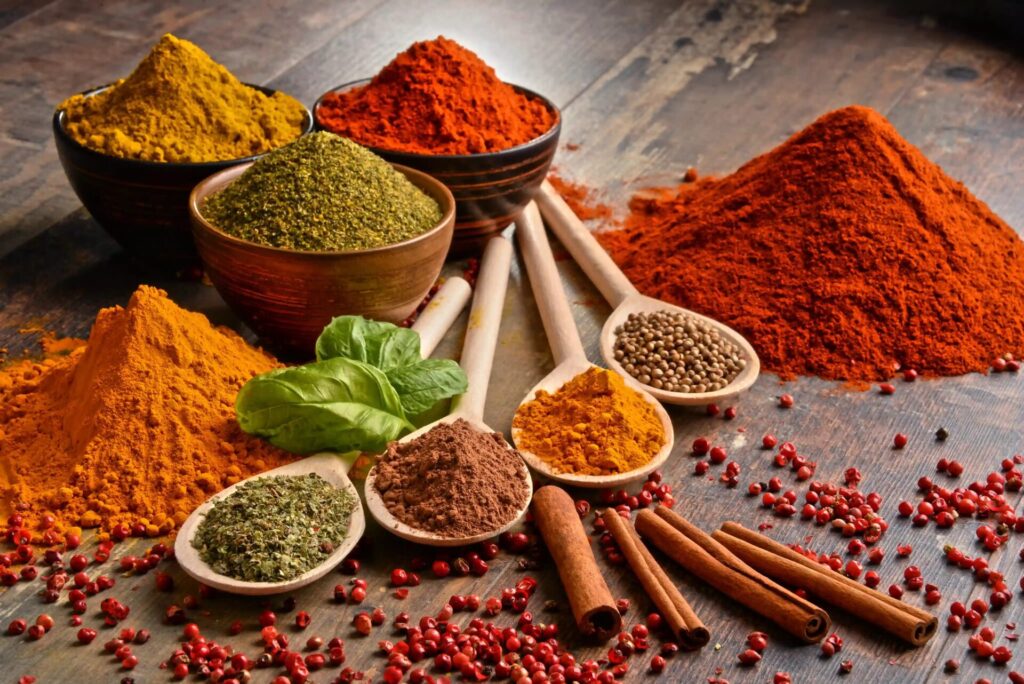
What immediately sets Georgian food apart is its bold, aromatic spices. Unlike cuisines that rely heavily on heat, Georgian cooking is nuanced, layering flavors to create depth and complexity. Svanetian salt, a fragrant blend from the mountainous region of Svaneti, is one of the most iconic seasonings. It combines salt with herbs like coriander, blue fenugreek, and garlic, creating a seasoning that is earthy, slightly tangy, and utterly distinctive. Sprinkling a bit on roasted vegetables or grilled meats can instantly transport you to a Georgian mountainside.
Blue fenugreek, often used in kharcho soup or pkhali (vegetable and walnut spreads), brings a subtle bitterness that balances the richness of meats and nuts. Coriander seeds, dried marigold petals, and paprika are other spices that weave together to form the Georgian palate, making each bite aromatic without being overpowering. Even everyday dishes gain a lift from these humble ingredients, showing that in Georgian cuisine, flavor comes from careful layering and respect for each spice’s personality.
The Sauces That Define Georgian Cooking
No discussion of Georgian cuisine is complete without its sauces. These are not mere accompaniments but the soul of the meal. Tkemali, a tart plum sauce, is perhaps the most famous. Made from sour plums, garlic, coriander, and a touch of chili, tkemali adds a bright, tangy punch to grilled meats, fried potatoes, or even cheese-filled pastries. Its balance of acidity and spice makes it versatile, enhancing dishes without overwhelming them.
Satsivi, a walnut-based sauce, is a masterpiece of texture and flavor. Traditionally served with turkey or chicken, it combines ground walnuts with garlic, onions, and an aromatic blend of spices, creating a creamy, nutty, and slightly tangy sauce that clings lovingly to every bite. Mastering satsivi at home may seem daunting, but the result is profoundly rewarding. The process of grinding walnuts and simmering the sauce allows the cook to engage fully with the ingredients, connecting with the meal in a deeply personal way.
Adjika, a spicy red paste from the western regions of Georgia, is another staple. Made with red peppers, garlic, herbs, and spices, adjika is fiery yet balanced, bringing warmth and vibrancy to grilled meats and roasted vegetables. It’s an invitation to explore bold flavors without fear, reminding home cooks that Georgian cuisine celebrates intensity as much as harmony.
The Communal Feast: Understanding the Supra
Cooking Georgian food at home is one thing, but eating it is another experience entirely. Central to Georgian culture is the supra, the traditional feast that is as much about conversation, song, and storytelling as it is about food. A supra is led by a tamada, or toastmaster, whose role is to guide the flow of toasts, ensuring that each moment is filled with warmth, laughter, and reflection. Hosting a Georgian-style meal at home allows you to embrace this spirit, encouraging extended dining, shared plates, and heartfelt conversation.
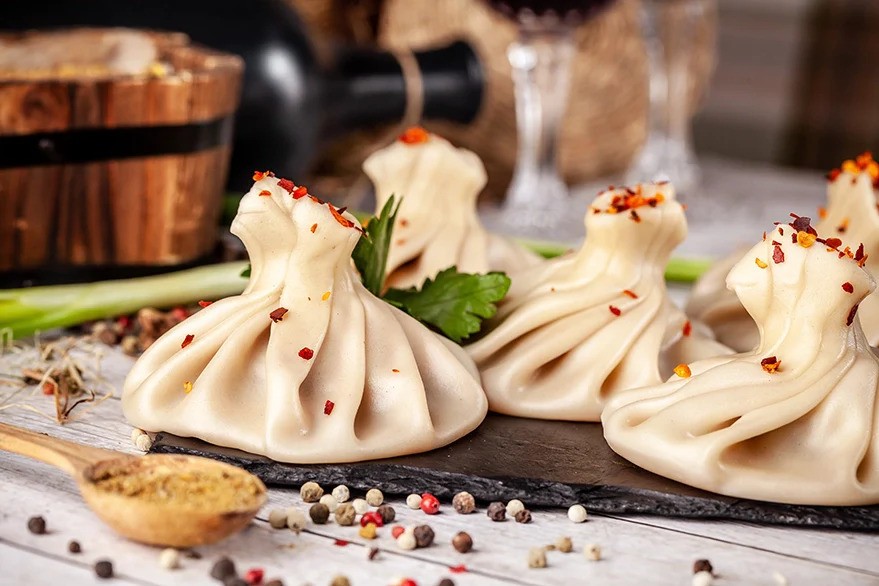
The beauty of a supra lies in its generosity. Platters of khinkali, the famous Georgian dumplings filled with spiced meat, are shared around the table. No one counts servings; everyone savors each bite. Khinkali is not just food—it is a ritual, a bite of heritage, and a communal experience. Learning to make khinkali at home involves perfecting the dough, creating a rich filling of beef, pork, or mushrooms, and mastering the art of pleating the dumplings so they hold their juices. When eaten, it’s customary to hold the dumpling by the top knot, bite a small hole, sip the broth inside, and then enjoy the rest. The careful technique is part of the joy and storytelling of the meal.
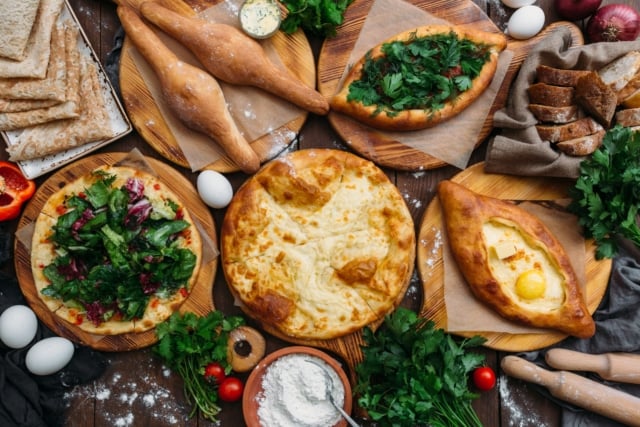
Another staple is khachapuri, the Georgian cheese bread that comes in various regional forms. The most famous, Adjarian khachapuri, is boat-shaped, filled with melted cheese, and topped with a raw egg and a pat of butter just before serving. The experience of breaking into the warm, cheesy center is an invitation to slow down and savor, much like the supra itself encourages. Making khachapuri at home is both comforting and celebratory, allowing the cook to engage with a living tradition that has delighted Georgians for centuries.
Traditional Dishes You Can Recreate at Home
Beyond khachapuri and khinkali, Georgian cuisine offers an astonishing variety of dishes that are perfect for home cooking. Lobio, a rich bean stew flavored with coriander, garlic, and walnuts, exemplifies the cuisine’s love of earthy, hearty flavors. Traditionally served in clay pots, lobio can be easily adapted for a modern kitchen while retaining its soulful taste.
Pkhali, vegetable and walnut spreads, are a revelation for home cooks looking to explore vegetarian Georgian cuisine. Spinach, beetroot, or eggplant are finely chopped, combined with ground walnuts, garlic, vinegar, and aromatic spices, creating a dish that is both visually stunning and delightfully complex in flavor. The preparation of pkhali encourages mindfulness, as each ingredient is treated with care, reflecting Georgia’s reverence for natural flavors.
Chakhokhbili, a tomato-based chicken stew with onions, garlic, and fresh herbs, is a testament to Georgian comfort food. Simmered slowly, it develops layers of flavor that are impossible to rush, reminding home cooks that patience is as much an ingredient as any spice. The use of fresh herbs—especially cilantro and parsley—adds brightness and a sense of freshness that balances the richness of the dish.
Bringing Georgia Into Your Home Kitchen
Cooking Georgian cuisine at home is not simply about following a recipe—it’s about creating an experience. Start by sourcing authentic ingredients. Many Georgian spices, such as blue fenugreek or Svanetian salt, can be found online or in specialty stores. Fresh herbs like cilantro, dill, and parsley are essential for achieving that unmistakable Georgian vibrancy.
Investing in simple tools, like a mortar and pestle for grinding spices or a rolling pin for dough, can elevate the cooking process. While it’s tempting to take shortcuts, engaging fully with the ingredients—the smell of fresh garlic, the texture of ground walnuts, the sheen of melted cheese—connects you to a culinary tradition that has been celebrated for centuries.
Hosting a small Georgian-style meal can also bring the spirit of supra to your home. Lay out shared platters, pour wine or grape juice, and offer small toasts before each course. The goal is not perfection but connection. Georgian cuisine is about heart as much as it is about technique, and a meal enjoyed together embodies the culture far more than any single dish could.
The Emotional Connection to Food
What makes Georgian cuisine truly special is its emotional resonance. Each dish carries a story, a memory, or a regional identity. When you prepare khinkali, you are not just making dumplings—you are engaging with a centuries-old tradition that celebrates family and community. When you pour satsivi over a roasted chicken, you are connecting to a lineage of cooks who cherished the texture and aroma of walnuts, garlic, and spices combined with care.
Incorporating these practices into home cooking teaches patience, attention, and appreciation. It transforms the kitchen from a mere space of preparation into a place of culture, celebration, and storytelling. Georgian cuisine reminds us that food is not only sustenance but a vessel for joy, connection, and heritage.
Conclusion
Bringing the art of Georgian cooking into your own kitchen is a journey that engages all your senses. From the aromatic allure of Svanetian salt and blue fenugreek to the richness of satsivi and tkemali, every element invites exploration. Creating khinkali, khachapuri, or a hearty lobio stew allows you to experience not just flavor but culture, history, and emotion.
By embracing the spirit of the supra, even a simple family meal can become a celebration, a shared story, and a feast for both the palate and the heart. Georgian cuisine teaches us that cooking is more than technique—it’s connection, it’s tradition, and above all, it’s love. Bringing these dishes into your home allows you to savor not just the taste but the essence of Georgia itself.