
South African cuisine is a vibrant tapestry of flavors, traditions, and cultures. From the smoky aroma of a braai to the comforting warmth of a bowl of potjiekos, the food of South Africa tells a story that stretches across centuries, blending indigenous ingredients with colonial influences and migrant flavors from Asia and Europe. For those who want to bring the heart of South Africa into their own kitchen, cooking traditional dishes is not just about food—it’s about creating a connection to the land, its people, and the memories that are passed down from generation to generation.
Cooking South African food at home allows you to explore the diversity of the country’s regions, from the spicy curries of Durban to the hearty stews of the Cape. Each dish is a reflection of history and community, and learning to prepare them can be an act of celebration, whether you are feeding family, friends, or simply treating yourself to a taste of home.
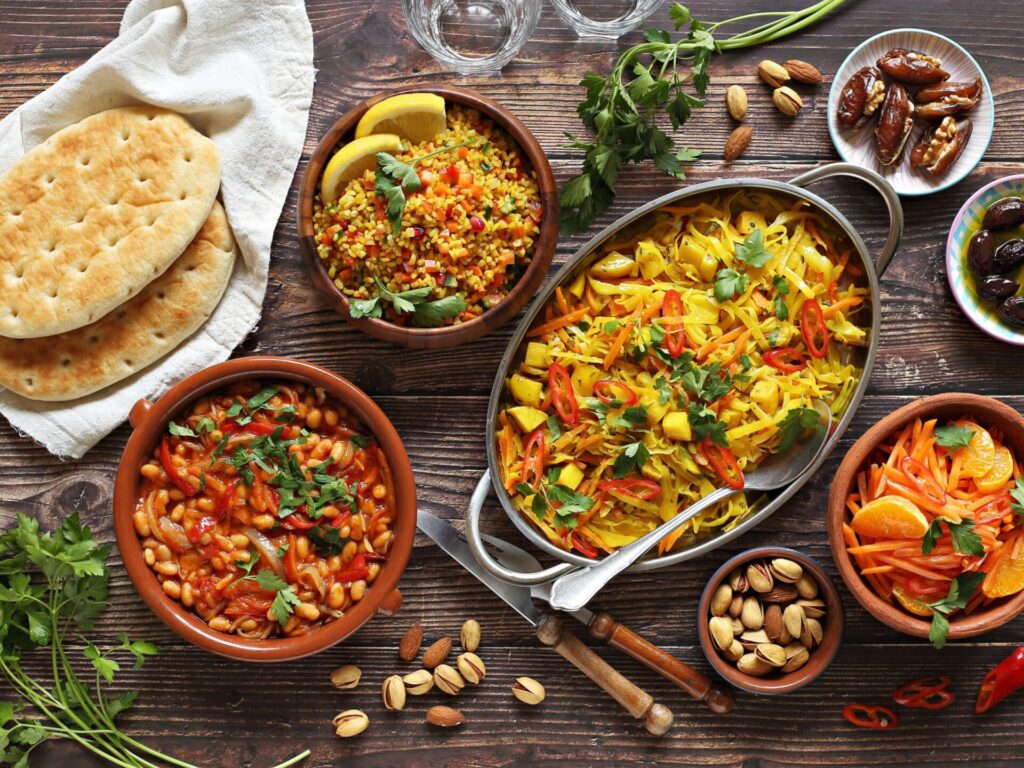
The Magic of a South African Braai
No discussion of South African cuisine is complete without mentioning the braai. More than just a barbecue, a braai is a social ritual, a gathering that brings people together over fire, smoke, and sizzling meats. Traditional braais feature boerewors, a thick, coiled sausage made from beef, pork, and a mix of aromatic spices, often including coriander and cloves. The secret to the perfect boerewors lies in balancing the spices with the freshness of the meat, and cooking it slowly over coals to allow the flavors to deepen and mingle.
Lamb chops, chicken coated in spicy marinades, and beef steaks are also common features, often accompanied by sides like mieliepap, a creamy maize porridge, and chakalaka, a spicy vegetable relish that adds a punch of flavor. Cooking a braai at home requires a simple setup: a grill, some coals, and the patience to let the fire do its work. It’s not just cooking—it’s a way to slow down, appreciate the process, and share a meal in the spirit of togetherness.
Bunny Chow: Durban’s Iconic Street Food
For those who love bold, robust flavors, bunny chow is a must-try. This Durban-born dish consists of a hollowed-out loaf of bread filled with curry, typically lamb, chicken, or beans for a vegetarian option. The bread absorbs the spicy sauce, creating a handheld comfort food that is both hearty and satisfying.
Making bunny chow at home allows you to experiment with South African curry spices like turmeric, cumin, coriander, and chili, which give the dish its distinct punch. The key is in the slow simmering of the meat and spices, letting the sauce develop a rich depth of flavor. Pairing it with a simple salad or some fresh chutney can bring out the layers of taste, making it an experience rather than just a meal.
Potjiekos: Stew with a Story
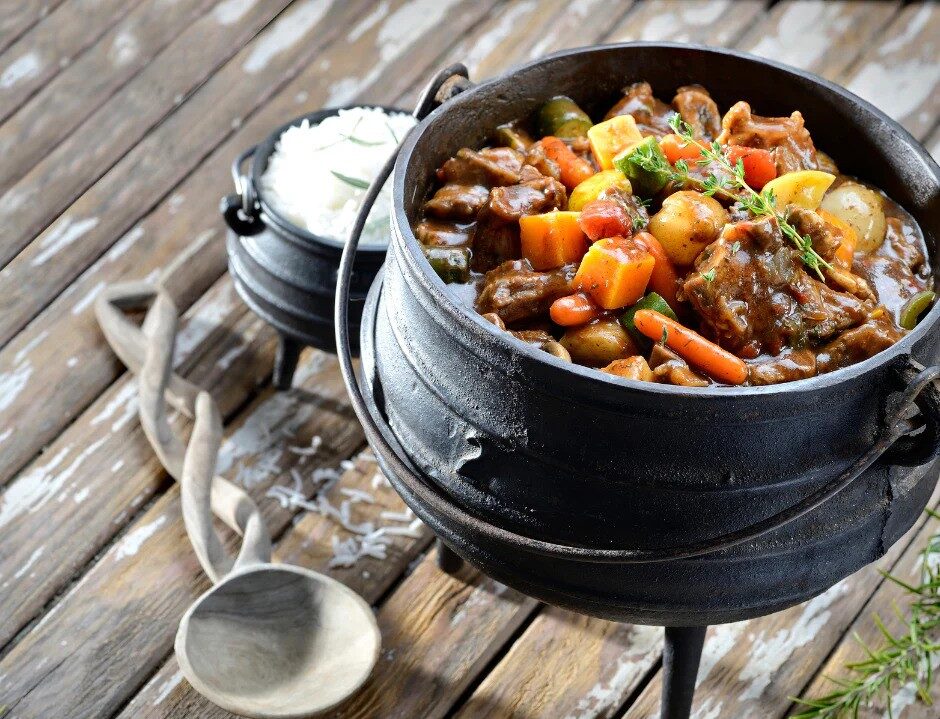
Potjiekos, literally “small pot food,” is a traditional slow-cooked stew prepared in a cast-iron pot over an open flame. The beauty of potjiekos lies in its simplicity and versatility. You layer meat, vegetables, and seasoning in the pot without stirring, allowing each ingredient to cook in its own juices. Over time, the flavors meld, resulting in a stew that is tender, aromatic, and richly complex.
Typically, potjiekos includes beef, lamb, or chicken, along with root vegetables, cabbage, and sometimes pumpkin. Herbs like thyme and bay leaf, as well as spices such as paprika and black pepper, give the dish its comforting aroma. Preparing potjiekos at home requires patience, but the result is deeply rewarding. Sitting down to a potjiekos meal evokes memories of rustic kitchens, family gatherings, and the simple pleasure of sharing a hearty stew after a long day.
Bobotie: The Cape Malay Delight
Another iconic South African dish that deserves a place in every home cook’s repertoire is bobotie. Originating from the Cape Malay community, bobotie is a baked dish made from spiced minced meat topped with an egg custard, resulting in a combination of savory, sweet, and creamy textures that is irresistible.
The seasoning for bobotie often includes curry powder, turmeric, and dried fruits like raisins or apricots, giving it a uniquely aromatic and slightly sweet profile. It is traditionally served with yellow rice, made vibrant with turmeric and often garnished with toasted almonds. Cooking bobotie at home is a wonderful way to explore the fusion of flavors that defines South African cuisine, blending Dutch, Malay, and indigenous influences into a single, unforgettable dish.
Pap and Chakalaka: The Perfect Accompaniment
While meats and stews often take center stage, no South African meal is complete without its accompaniments. Pap, a maize-based porridge, is a staple that appears on tables across the country. Its texture can range from soft and creamy to firm and sliceable, depending on regional preference and the intended pairing. Pap serves as a neutral canvas, balancing the bold flavors of meat, sauces, and relishes.
Chakalaka, a spicy vegetable relish, is often served alongside pap. Made from onions, tomatoes, bell peppers, and sometimes beans, chakalaka is flavored with curry and chili, providing a lively contrast to the mild pap. Cooking these sides at home is simple, yet they embody the essence of South African comfort food—flavorful, hearty, and designed to be shared.
Milk Tart and Koeksisters: Sweet Endings
No exploration of South African cuisine would be complete without desserts, which carry their own cultural significance and nostalgic charm. Milk tart, or “melktert,” is a custard-filled pastry with a delicate sprinkle of cinnamon. Its creamy texture and subtle sweetness make it a beloved treat across generations. Preparing milk tart at home requires careful attention to achieving the right consistency, but the process is as rewarding as the final bite.
Koeksisters, twisted, syrup-coated pastries, offer a completely different experience. Crispy on the outside, sticky and sweet on the inside, koeksisters are often enjoyed as a festive treat or snack. Both milk tart and koeksisters allow home cooks to explore traditional South African sweets, bringing warmth and nostalgia to the table with every bite.
Bringing South African Flavors into Everyday Cooking
Cooking South African dishes at home is not limited to special occasions. Many recipes, such as bobotie, potjiekos, or chakalaka, can be adapted for weeknight dinners, allowing the flavors of the country to become a part of your everyday life. Experimenting with spices like peri-peri, coriander, and turmeric can transform ordinary ingredients into something extraordinary.
Shopping for authentic ingredients, such as rooibos tea, biltong, or samp and beans, adds another layer of connection to the culture. Even small gestures, like using a traditional cast-iron pot for stews or slow-roasting meat for a braai, help recreate the authenticity of South African cooking in your own kitchen. The process is as important as the meal itself—it’s about engaging with a culture, honoring traditions, and sharing stories through food.

Cooking as a Celebration of Culture
At its core, South African cuisine is about community, heritage, and creativity. Every dish has a story to tell, whether it’s the migration of flavors through colonial history, the ingenuity of street vendors, or the timeless practices of indigenous communities. Cooking these dishes at home allows us to participate in that narrative, connecting with people and places we may never have visited in person.
When you prepare a braai, simmer a potjiekos, or bake a bobotie, you are not just feeding yourself—you are honoring centuries of tradition, blending flavors that have been perfected over generations, and creating a meal that resonates with meaning. South African cuisine is as much about emotion as it is about taste, capturing the essence of home, family, and culture in every bite.
Conclusion: A Culinary Journey Worth Taking
Bringing South African cuisine into your home kitchen is an invitation to explore, savor, and celebrate. From the fiery streets of Durban to the rolling farms of the Free State, each dish embodies a unique piece of the country’s cultural mosaic. Cooking these meals allows you to experience the warmth, vibrancy, and creativity of South African food, while also creating moments of connection and joy with those you share it with.
Whether you’re mastering the smoky perfection of a braai, the aromatic depth of a potjiekos, or the sweet nostalgia of milk tart, each recipe offers more than flavor—it offers a taste of home, a culinary journey that brings the heart of South Africa to your table. For any cook willing to embrace tradition, experimentation, and a little patience, South African cuisine promises an unforgettable adventure, bite by delicious bite.