
Austria is a country whose culinary identity is often associated with rich pastries, delicate cakes, and desserts that seem to have been kissed by history itself. From the cobblestone streets of Vienna to the Alpine villages tucked away in Tyrol, sweet treats have long been more than just food—they are expressions of culture, tradition, and artistry. The scent of freshly baked Strudel drifting through a kitchen evokes nostalgia, warmth, and a connection to centuries of Austrian heritage. Mastering traditional Austrian desserts at home is more than following a recipe; it’s an invitation to immerse yourself in a world where sugar, butter, and flour come together to tell stories.
Discovering the Heart of Austrian Dessert Culture
Austrian desserts are not merely about indulgence; they are reflections of regional diversity, historical influences, and meticulous craftsmanship. The country’s baking tradition dates back to the Habsburg Empire, where the royal kitchens of Vienna and Innsbruck shaped what would become a lasting culinary legacy. Austrian desserts combine a refined elegance with a comforting simplicity. They often balance sweetness with texture, layering crisp pastry with creamy fillings or airy sponge with fruit compotes.
At the heart of Austrian dessert culture lies the concept of Gemütlichkeit, a word that encompasses coziness, contentment, and togetherness. When preparing desserts at home, it is this spirit that guides the process: taking time to knead dough slowly, folding ingredients with care, and savoring the anticipation of the final creation.
The Art of Apfelstrudel
No discussion of Austrian sweets is complete without mentioning Apfelstrudel, perhaps the country’s most iconic dessert. This beloved treat has origins in the Austro-Hungarian Empire and has traveled across continents, enchanting dessert lovers worldwide. The secret of a great Apfelstrudel lies in the pastry: it must be thin enough to almost see through, yet sturdy enough to hold a filling of spiced apples, raisins, and a touch of lemon zest.
When making Apfelstrudel at home, preparation requires patience. The dough is kneaded to the perfect elasticity, then rested, allowing gluten to relax so it can be stretched almost paper-thin. The filling is equally important; tart apples like Gravenstein or Braeburn are gently sautéed with sugar, cinnamon, and breadcrumbs that absorb excess moisture, ensuring the final dessert is neither soggy nor overly dry. Rolling the strudel demands a delicate hand, carefully tucking the filling as the dough is rolled to perfection.
Sachertorte: Vienna’s Chocolate Masterpiece
If Apfelstrudel represents rustic elegance, Sachertorte embodies Viennese sophistication. Invented in 1832 by Franz Sacher for Prince Metternich, this dense chocolate cake has since become a symbol of Austrian confectionery excellence. What sets Sachertorte apart is its balance: a rich chocolate sponge, layered with a thin layer of apricot jam, and encased in a glossy chocolate glaze. The result is a dessert that is indulgent but refined, with every bite melting effortlessly on the tongue.
Recreating Sachertorte at home is a challenge many aspiring bakers willingly accept. The key lies in technique—tempering the chocolate glaze to achieve that signature shine, gently folding whipped egg whites into the batter to avoid deflation, and ensuring the apricot jam is evenly spread without overpowering the chocolate. Serving it with a dollop of lightly whipped cream provides contrast, enhancing the cake’s decadence without overshadowing its intricate flavor profile.
Linzer Torte: A Heritage Preserved in Lattice
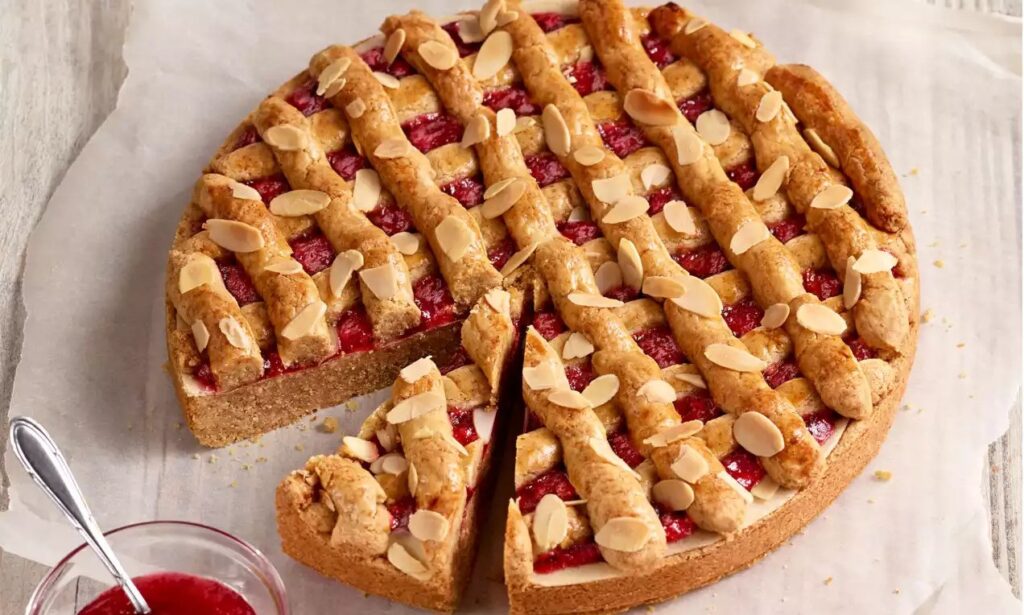
Among Austria’s oldest pastries, the Linzer Torte stands out as both a historical treasure and a home baking favorite. Originating from Linz, this tart is recognized for its buttery, nut-infused crust and a lattice topping that exposes a vibrant fruit preserve beneath. Traditionally made with redcurrant or raspberry jam, Linzer Torte combines a slightly tangy sweetness with the richness of ground nuts, typically hazelnuts or almonds.
Making Linzer Torte at home requires precision. The dough is delicate and must be chilled to prevent crumbling, while the lattice pattern demands careful measurement and patience. Yet, the process is meditative, almost ritualistic, connecting the baker with generations of Austrians who have perfected this dessert over centuries. Each slice of Linzer Torte offers a visual and sensory delight, a moment of sweetness that transcends time and geography.
Austrian Pastry: Beyond the Well-Known
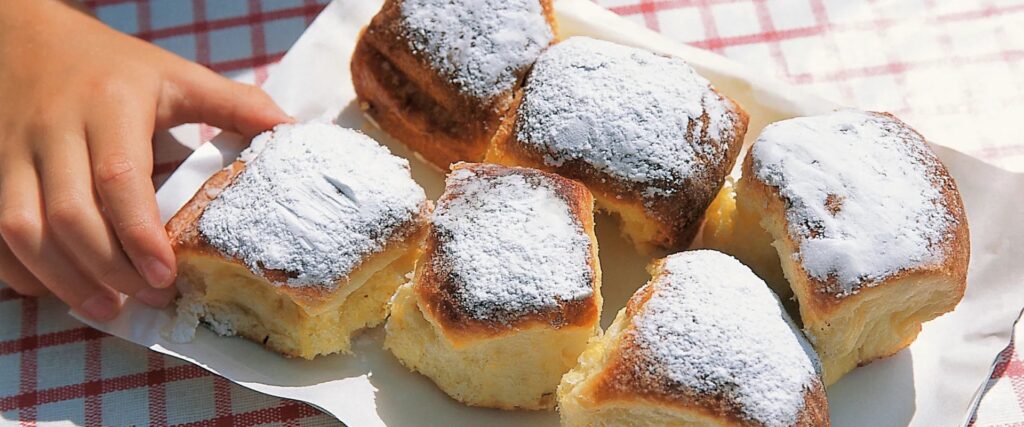
While Apfelstrudel, Sachertorte, and Linzer Torte dominate headlines, Austrian desserts encompass a rich tapestry of lesser-known but equally captivating treats. Topfenstrudel, for instance, swaps the apple filling for sweet quark cheese, offering a lighter yet luxuriously creamy alternative. Kardinalschnitten combine layers of meringue and sponge, producing a visually stunning and texturally fascinating confection. And let’s not forget the humble Buchteln, soft yeast buns filled with jam or poppy seeds, traditionally baked together in a single pan so that their edges caramelize gently against one another.
Bringing these desserts into your home kitchen expands your appreciation for Austrian culture. Each pastry carries stories of local ingredients, seasonal celebrations, and family traditions. They also invite experimentation: using local fruits in place of traditional jams, adjusting sweetness to personal taste, or incorporating contemporary techniques while maintaining the essence of the original recipe.
Mastering Technique and Patience
The cornerstone of Austrian dessert mastery lies in technique. Precision, patience, and a sense of timing are essential. Unlike quick-fix desserts that prioritize speed, Austrian baking rewards those who approach it thoughtfully. Kneading, folding, proofing, and glazing are not mere steps—they are gestures that influence texture, flavor, and appearance. Learning these techniques can be transformative for any home baker, instilling confidence and a deeper understanding of how ingredients interact.
Patience is equally critical. Dough must rest, layers must chill, and flavors often benefit from a brief period of settling before serving. This careful pacing aligns with the Austrian philosophy of enjoying the process as much as the outcome.
Bringing Austrian Desserts to Modern Kitchens
Recreating traditional Austrian desserts in modern kitchens is not only possible but deeply rewarding. Many classic recipes can be adapted without compromising authenticity. For instance, using high-quality local apples for Apfelstrudel or organic chocolate for Sachertorte enhances flavor while respecting tradition. Modern equipment such as stand mixers, silicone mats, and precision ovens can simplify techniques that were once daunting, allowing home bakers to focus on the artistry of layering, rolling, and glazing.
Moreover, these desserts can be personalized to suit contemporary tastes. Health-conscious adjustments, like reducing sugar slightly or incorporating whole grains, can make Austrian sweets more approachable for daily indulgence.
Sharing the Joy of Sweet Traditions
Austrian desserts are meant to be shared. Their preparation and enjoyment foster connection—whether it’s a quiet afternoon with a cup of Viennese coffee or a festive family gathering during holidays. Serving a warm slice of Apfelstrudel or a perfectly layered Sachertorte invites conversation, evokes memories, and creates new ones. Sharing these desserts allows home bakers to participate in a broader cultural narrative, bridging continents and generations with sweetness and care.
Even presenting these desserts can become a form of art. Dusting powdered sugar lightly, arranging pastries on vintage plates, or pairing them with homemade whipped cream or fresh fruit transforms the experience from mere consumption into a celebration.
Embracing Tradition and Creativity
Ultimately, mastering Austrian desserts at home is a balance between honoring tradition and embracing creativity. Recipes passed down through generations provide a foundation, yet each baker brings their interpretation, influenced by available ingredients, skill level, and personal taste. This interplay between heritage and innovation keeps Austrian dessert culture alive and evolving. Experimenting with flavors, textures, and presentations does not dilute tradition; it enriches it, reflecting the dynamic nature of home baking.
By engaging with these desserts, home cooks develop more than culinary skills—they cultivate patience, mindfulness, and appreciation for the subtleties of taste and texture. Austrian desserts teach that sweetness is more than a flavor; it is a cultural expression, a ritual of care, and a way of connecting with the past while creating moments of joy in the present.
The Sweet Journey at Home
Embarking on the journey of Austrian dessert-making transforms any kitchen into a gateway to Vienna, Salzburg, Linz, or the Tyrolean Alps. Each recipe invites exploration: kneading dough for Apfelstrudel, tempering chocolate for Sachertorte, or weaving the delicate lattice of a Linzer Torte. The process is as enriching as the final product, blending historical knowledge, sensory engagement, and personal creativity.
In mastering these desserts, home bakers become custodians of a culinary tradition that has endured centuries. They bring Austria into their homes not only through flavor but through the values embedded in its sweets: patience, craftsmanship, and the joy of sharing. Each slice served, each aroma wafting through the kitchen, carries a story—of a culture that celebrates both precision and warmth, complexity and simplicity, indulgence and connection.
Austria’s sweet side is a treasure trove waiting to be explored in your own kitchen. By embracing its desserts, you honor centuries of culinary heritage while creating memories, celebrating flavors, and mastering techniques that turn ordinary afternoons into moments of extraordinary delight. In every bite of Apfelstrudel, every layer of Sachertorte, and every lattice of Linzer Torte, you taste the soul of Austria—rich, nuanced, and irresistibly sweet.