
Nicaraguan cuisine is a vibrant reflection of the country’s history, culture, and natural abundance. Nestled between the Caribbean and Pacific coasts of Central America, Nicaragua offers a culinary palette that is both simple and deeply satisfying. For home cooks who long for authentic flavors without leaving their kitchen, bringing a taste of Nicaragua to your table is entirely possible. From the aromatic spices to the hearty, comforting dishes, cooking Nicaraguan food at home is not just about ingredients—it’s about embracing a tradition and sharing it with those you love.
The Heart of Nicaraguan Cuisine: Gallo Pinto
No discussion of Nicaraguan cooking can start without mentioning Gallo Pinto, the beloved national dish. This humble combination of rice and black beans is eaten for breakfast, lunch, or dinner across the country, and it carries a nostalgic familiarity for many Nicaraguans. The secret to an authentic Gallo Pinto lies in the preparation. Start with cooked white rice and perfectly seasoned black beans. What transforms the dish is the use of Salsa Lizano, a tangy Costa Rican sauce widely adopted in Nicaragua, along with sautéed onions, bell peppers, and a hint of garlic. The result is a fragrant, slightly savory, and utterly comforting dish. Serve it with eggs, fried cheese, or plantains for a traditional Nicaraguan breakfast that will immediately transport your kitchen to the heart of Central America.

Nacatamales: A Culinary Celebration Wrapped in Banana Leaves
If you’re ready to tackle something more ambitious, Nacatamales are the crown jewel of Nicaraguan cuisine. Similar to tamales found throughout Latin America, these are made from a corn dough stuffed with pork, rice, potatoes, onions, bell peppers, and local spices, all wrapped in banana leaves and slow-cooked until tender. The process of making nacatamales at home is a labor of love, often involving family and friends in the preparation. While time-consuming, the payoff is immense—a soft, flavorful masa infused with the smoky aroma of the banana leaves and the rich, savory filling. These are not just food; they are a celebration of community and tradition, perfect for weekend cooking projects where the joy is as much in the making as in the eating.
Indulging in Nicaraguan Soups
Nicaraguan soups are hearty, flavorful, and deeply nourishing, reflecting the agricultural richness of the country. One of the most iconic is Sopa de Mondongo, a tripe soup that’s slow-cooked with vegetables such as yuca, carrots, and bell peppers, seasoned with oregano, garlic, and a touch of chili for warmth. The texture and depth of flavor in this soup are astonishing, and while it may sound intimidating to cook at home, the recipe is surprisingly approachable with patience and care. Another popular option is Sopa de Queso, a creamy cheese soup with local cheeses, potatoes, and corn, delivering a comforting, almost velvety experience that is perfect for cooler nights. These soups are not just meals—they are expressions of Nicaraguan hospitality, meant to be shared generously.
Sweetness in Simplicity: Nicaraguan Desserts
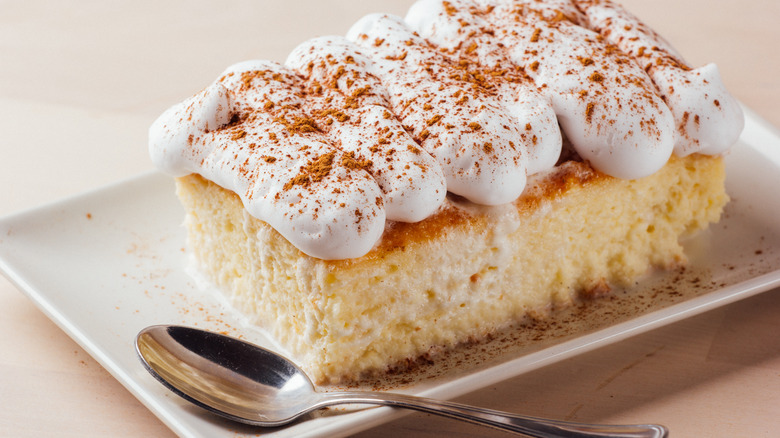
No meal in Nicaragua is complete without a touch of sweetness. Tres Leches Cake is an iconic dessert, celebrated throughout Central America, and Nicaragua adds its own local twist with a light sponge soaked in three types of milk—evaporated, condensed, and heavy cream—topped with fresh whipped cream. Its moist, delicate texture makes it a favorite for celebrations or simple family dinners. For a more traditional treat, Baho de Platano combines ripe plantains with shredded meat, wrapped in banana leaves and gently steamed. While savory and sweet elements intertwine, it’s a testament to the Nicaraguan love for balancing flavors and creating dishes that are both hearty and comforting. Cooking these desserts at home not only satisfies your sweet tooth but also offers a glimpse into the subtle artistry of Nicaraguan culinary traditions.
The Essential Ingredients of Home Cooking
Recreating Nicaraguan dishes in your kitchen is as much about understanding the ingredients as it is about following recipes. Corn, rice, beans, plantains, and fresh vegetables form the backbone of most meals. Spices like cumin, oregano, and achiote, along with aromatic herbs such as cilantro, provide the distinctive flavor that defines Nicaraguan food. Certain condiments, particularly Salsa Lizano, can elevate a home-cooked dish into something authentically Nicaraguan. Freshness is key—using local or high-quality produce and proteins will make your dishes sing. Even small details, like the type of beans or the way plantains are fried, make a noticeable difference in flavor and texture.
Cooking Techniques That Capture Tradition
While Nicaraguan cuisine relies on simple ingredients, the techniques used are rooted in tradition. Sautéing vegetables and proteins to build flavor, slow-cooking meats for tenderness, and steaming foods in banana leaves to impart aroma are foundational practices. Even something as straightforward as frying plantains requires attention to achieve the perfect golden-brown exterior while keeping the interior soft and sweet. Understanding these techniques and respecting the natural flavors of the ingredients will help you create dishes that feel authentically Nicaraguan, even far from Central America.
Bringing Nicaragua to Your Everyday Table
Cooking Nicaraguan cuisine at home is not just about special occasions. Many dishes, like Gallo Pinto, are everyday staples that provide comfort and sustenance. Learning to incorporate these meals into your weekly rotation allows you to enjoy the flavors of Nicaragua regularly, and it introduces friends and family to a rich culinary culture they might not otherwise experience. Breakfasts, lunches, dinners, and even snacks can all be inspired by Nicaraguan traditions. From simple, hearty breakfasts to elaborate weekend feasts, your kitchen becomes a small portal into Nicaraguan life and culture.
Pairing Drinks with Nicaraguan Dishes
No Nicaraguan meal is complete without the right accompaniment. Fresh fruit juices made from tropical fruits like papaya, mango, or tamarind are standard in homes across the country, offering a sweet and refreshing counterpoint to savory dishes. For something warm, café con leche—coffee with milk—is a beloved choice, perfect for pairing with breakfast or a mid-afternoon snack. Beer and local rum-based drinks also have a place when serving festive meals like nacatamales, balancing richness with a touch of celebration. Selecting complementary beverages enhances the authenticity and enjoyment of your Nicaraguan-inspired meals.
The Joy of Cooking Nicaraguan Food at Home
Ultimately, cooking Nicaraguan cuisine at home is about more than just the recipes. It is about embracing a culture that values family, community, and flavor. Each dish carries stories and traditions, whether it’s the labor of love that goes into making nacatamales or the simple pleasure of Gallo Pinto for breakfast. Engaging with these recipes connects you not just to the food itself, but to the people and places that created it. Home cooking allows you to savor these connections in a personal and intimate way, bringing a little bit of Nicaragua into your daily life.

Starting Your Nicaraguan Culinary Adventure
If you are new to Nicaraguan cooking, start with the basics and build your confidence. Gallo Pinto, fried plantains, and a simple sopa de queso are approachable first steps. As you grow more comfortable, you can tackle more complex dishes like nacatamales or sopas with layered flavors. Experiment with herbs, spices, and condiments to find the balance that resonates with your palate. The beauty of bringing Nicaraguan cuisine to your kitchen lies in its adaptability—traditional recipes can be lovingly recreated or subtly adjusted to suit your tastes, all while honoring the essence of the cuisine.
Nicaraguan food invites you to slow down, appreciate simple yet bold flavors, and share meals with joy and intention. By embracing authentic recipes, fresh ingredients, and traditional techniques, home cooks can experience the warmth, richness, and authenticity of Nicaragua from their very own kitchens. The next time you prepare a meal, consider the aroma of simmering beans, the golden sweetness of fried plantains, or the tender richness of a freshly made nacatamal, and know that you are carrying a piece of Nicaragua into your home.