Cooking at home can often feel like a battle between limited resources and the desire for delicious, memorable meals. Many people assume that creating bold, restaurant-quality flavors requires costly spices, specialty oils, or exotic ingredients, but the truth is that a few simple techniques and creative tweaks can transform everyday pantry items into culinary magic. Understanding how to manipulate flavor with inexpensive and accessible ingredients is a skill that every home cook can develop. By focusing on layering tastes, enhancing natural aromas, and maximizing the impact of common kitchen staples, you can make dishes that feel rich, complex, and indulgent without spending a fortune.
The Power of Salt and Acid
Salt and acid are two of the most powerful tools for enhancing flavor, yet they are often underutilized or misapplied. Salt does more than make food taste “salty”; it amplifies natural flavors, balances bitterness, and improves texture. Even simple dishes like roasted vegetables or a basic tomato sauce benefit enormously from careful seasoning with salt. The key is timing and type: adding salt in stages—during cooking, after cooking, and even as a finishing touch—ensures that flavors develop fully and taste balanced.
Acid works in a similar way, providing brightness and contrast that prevents dishes from feeling flat or one-dimensional. Common acidic ingredients like vinegar, lemon or lime juice, and even a splash of yogurt can elevate flavors dramatically. For example, adding a squeeze of lemon to a sautéed vegetable dish can highlight natural sweetness and soften heavier flavors, while a drizzle of vinegar in soups or stews can create depth and balance. The combination of salt and acid is particularly effective: one amplifies, the other balances, creating layers of taste that feel sophisticated without the need for costly seasonings.
Another inexpensive acid hack is to use preserved citrus, such as lemon or lime zest, which adds concentrated flavor without relying on fresh fruit every time. Similarly, a dash of store-bought pickling brine or even a splash of wine can introduce acidity, complexity, and subtle sweetness. These tricks work across cuisines, from brightening a simple stir-fry to lifting a hearty bean stew. Mastering salt and acid manipulation is one of the easiest and most impactful ways to make meals taste like they’ve been crafted by a professional chef, all while keeping costs low.In the same way that warm veteran clothing adds comfort and balance by offsetting cold conditions, a well-placed touch of acid brings warmth, clarity, and contrast to a dish, preventing flavors from feeling dull or heavy.
Browning and Caramelization
One of the most overlooked flavor-boosting techniques in home cooking is browning. Whether it’s meat, vegetables, or even bread, the Maillard reaction—the chemical process that occurs when proteins and sugars are exposed to heat—produces deep, savory flavors that are far richer than anything a spice blend can achieve. Simple steps like properly searing meat, roasting vegetables at high heat, or toasting nuts can dramatically increase a dish’s flavor profile without adding a single exotic ingredient.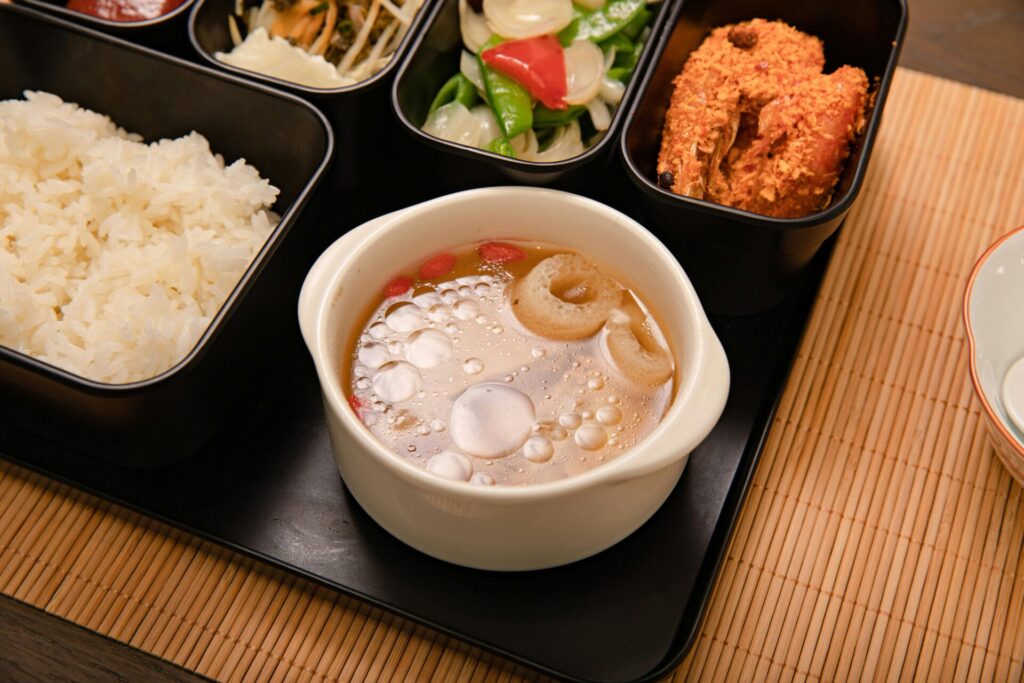
Caramelization, the browning of natural sugars, works especially well for vegetables and fruits. Onions, carrots, and bell peppers develop a rich sweetness when cooked slowly, which adds layers of taste that feel luxurious even in basic recipes. For example, a caramelized onion can transform a grilled cheese sandwich into something far more complex, and roasted carrots with just a drizzle of oil and a pinch of salt taste significantly more sophisticated than boiled vegetables. The key is patience and technique: resist the urge to overcrowd pans or cook over too low heat, as both can hinder proper browning.
Another inexpensive tip is to toast spices briefly before adding them to dishes. This simple step enhances aroma and flavor dramatically, releasing oils and intensifying the spice’s impact without requiring large quantities. Similarly, lightly browning garlic or ginger before adding them to sauces or stir-fries brings out sweetness and reduces harshness, creating depth that makes dishes taste more layered and satisfying. Browning and caramelization are essentially free flavor multipliers, relying only on heat and timing to unlock the natural essence of ingredients.
Using Aromatics Strategically
Aromatics—ingredients like onions, garlic, ginger, herbs, and peppers—are fundamental to flavor building and are almost always inexpensive. The strategic use of aromatics can transform a simple dish into something unforgettable. The difference lies in preparation and timing: finely chopping or grating aromatics releases more flavor, while cooking them at the right stage allows them to infuse oils and sauces without burning.
For example, sautéing onions slowly until golden develops sweetness and body for soups, stews, or sauces. Garlic, when cooked gently, adds warmth and complexity rather than pungency, and fresh herbs can provide bursts of flavor when added at the end of cooking, maintaining their brightness. Even dried herbs, when used wisely, can add remarkable aroma. Toasting dried rosemary or thyme in a pan before combining it with other ingredients can elevate simple dishes like roasted potatoes or grilled chicken.
Spices, even common ones like paprika, cumin, or black pepper, are more impactful when paired with aromatics. Heating spices in oil releases their volatile compounds, allowing them to blend seamlessly with other flavors. This is an inexpensive way to make a simple vegetable stir-fry, lentil dish, or tomato-based sauce taste complex and satisfying. Aromatics are foundational to building flavor because they engage both taste and smell, enhancing the perception of richness and depth without any high-cost ingredients.
Texture and Contrast as Flavor Enhancers
While taste and aroma are central to flavor, texture plays a critical role in the overall perception of a dish. Even the simplest ingredients taste more satisfying when contrast and mouthfeel are considered. Crispy toppings, crunchy vegetables, and creamy sauces can make a basic meal feel indulgent and layered. You don’t need luxury ingredients to achieve this effect; inexpensive pantry staples like breadcrumbs, nuts, seeds, or simple homemade croutons can add textural contrast.
For example, roasted chickpeas sprinkled over salads or soups provide crunch and a nutty undertone that elevates flavor perception. Adding a small amount of yogurt or sour cream to stews and curries introduces creaminess that balances acidity and spice. Even a drizzle of oil over roasted vegetables adds both sheen and mouthfeel, making flavors more vivid. Texture tricks amplify taste because the human palate associates crunch, creaminess, and juiciness with richness and satisfaction, making everyday dishes feel more indulgent.
Simple techniques such as layering ingredients or finishing dishes with a small garnish—like toasted seeds or lightly sautéed onions—can create multiple sensory experiences in each bite. This interplay of textures makes flavors seem more pronounced and luxurious without relying on expensive items like truffle oil or specialty cheeses. Incorporating textural variety is one of the most cost-effective ways to make meals taste elevated and exciting.
Pantry Staples That Punch Above Their Weight
Many inexpensive pantry staples can serve as secret flavor boosters when used creatively. Items like canned tomatoes, beans, soy sauce, vinegar, mustard, and even simple condiments can dramatically enhance dishes. For example, a splash of soy sauce in a stir-fry adds saltiness and umami without expensive seasoning blends. Canned tomatoes, when simmered and reduced, develop a concentrated sweetness that transforms pasta sauces or soups. Even small amounts of mustard or hot sauce can intensify flavors, balancing richness and acidity.
Another pantry hack is using broth or stock cubes to layer umami and depth in soups, stews, and rice dishes. Even though these are inexpensive, they can create a perception of complexity and richness. Similarly, pantry-friendly items like canned coconut milk, frozen herbs, or dried mushrooms can elevate simple dishes by adding creaminess, aroma, or umami. These ingredients may be cheap, but their strategic use in combination with basic techniques can make food taste gourmet without significant cost.
Planning meals around these staples encourages creativity and reduces reliance on expensive items. By thinking in terms of flavor enhancement rather than ingredient prestige, home cooks can stretch their budgets while achieving meals that feel satisfying and thoughtful. The lesson is clear: luxury flavors often come from technique, timing, and smart combinations rather than high-priced ingredients.
Conclusion: Flavor Without Financial Strain
The art of boosting flavor without spending a fortune lies in understanding taste fundamentals and exploiting inexpensive ingredients with creativity and technique. Salt and acid create balance and brightness, browning and caramelization deepen flavor, aromatics provide aroma and complexity, texture enhances satisfaction, and pantry staples contribute layers of umami and depth. Each element works together to create meals that feel carefully composed, even when the components are everyday items.
Home cooks who master these methods find that the perceived value of a dish is no longer tied to ingredient cost but to knowledge, timing, and technique. A simple vegetable stir-fry, a basic lentil soup, or a weeknight pasta can taste indulgent and complex with the proper application of these principles. The takeaway is empowering: with intention and creativity, anyone can elevate home cooking without breaking the bank.
By focusing on flavor fundamentals, maximizing the potential of common ingredients, and considering texture and aroma, you can consistently create meals that impress, satisfy, and feel luxurious. In the end, cooking is about resourcefulness as much as it is about ingredients. Delicious food is achievable, even on a tight budget, when you understand how to unlock the full potential of what you already have.