
Cooking like a Uruguayan abuela is less about chasing perfection and more about embracing patience, warmth, and instinct. In Uruguay, food is a daily act of care, not a performance. Recipes are remembered by feel rather than measurements, and meals are shaped by routine, family rhythms, and the quiet wisdom passed down through generations. To cook like an abuela is to slow down, trust simple ingredients, and let the kitchen become a place where time stretches and conversation flows.
Uruguayan comfort food grew from modest roots. Waves of Spanish and Italian immigrants blended their traditions with local ingredients, creating dishes that feel familiar yet deeply regional. At home, the food is never flashy. It is filling, honest, and meant to be shared. You don’t need special equipment or rare products to recreate these meals. What you need most is attention, generosity, and respect for the process.
The Heart of the Uruguayan Home Kitchen
In many Uruguayan households, the kitchen revolves around routine. Lunch is substantial, dinner is lighter, and weekends are sacred. An abuela’s kitchen smells of onions slowly softening in oil, of bread warming in the oven, of milk simmering patiently on the stove. There is always something cooking ahead of time, because food is meant to be ready when people arrive.
One of the most important customs is cooking enough for everyone, even unexpected guests. Uruguayan abuelas rarely cook exact portions. They cook with the assumption that someone might drop by, or that leftovers will become tomorrow’s lunch. This abundance is a form of affection, a way of saying you are welcome here.
Another defining trait is repetition. The same dishes appear week after week, not out of boredom, but because familiarity brings comfort. These meals become emotional anchors, especially for those who grow up associating them with home.
Tortas Fritas and the Ritual of Rainy Days
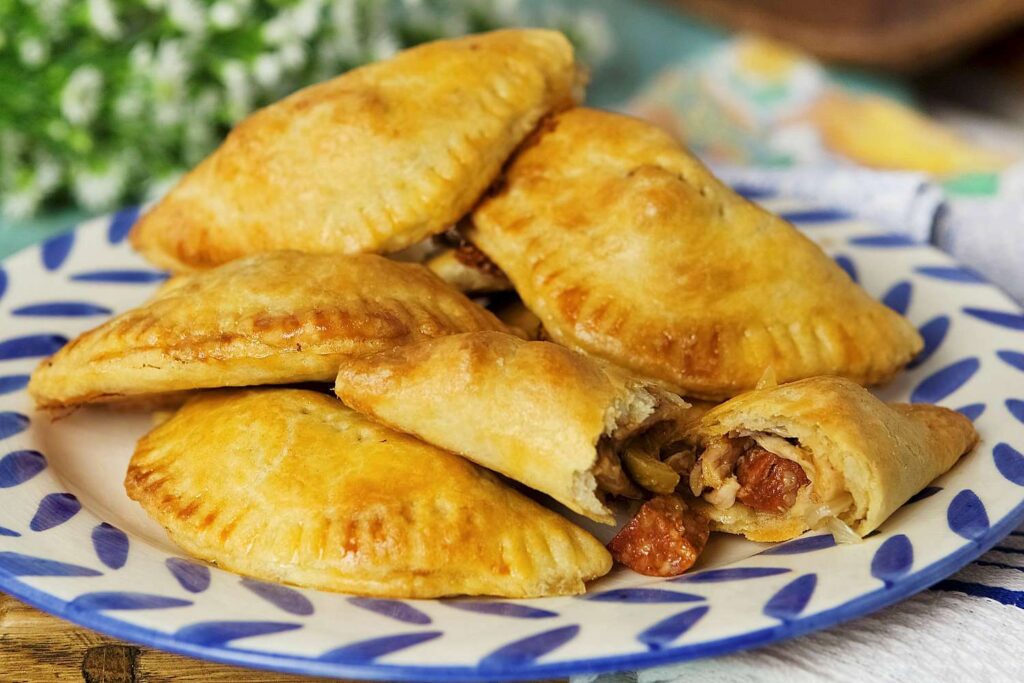
Few foods capture Uruguayan comfort like tortas fritas. Traditionally made on rainy afternoons, these fried bread disks are simple yet deeply symbolic. An abuela doesn’t need a recipe. Flour, water, salt, and fat come together by instinct, kneaded just enough, then fried until blistered and golden.
The act of making tortas fritas is as important as eating them. The dough is mixed while listening to the rain, the oil heats slowly, and the kitchen fills with a smell that signals warmth and safety. They are often eaten with sugar sprinkled on top, sometimes with dulce de leche, and always with mate nearby.
To master tortas fritas at home, focus less on precision and more on texture. The dough should feel soft but resilient, and the oil should never be rushed. An abuela knows they’re ready not by a timer, but by sound and color.
Milanesas: The Ultimate Everyday Comfort Food
If there is one dish that appears relentlessly in Uruguayan homes, it is the milanesa. Thin slices of beef or chicken are breaded and fried until crisp, then served with mashed potatoes, salad, or even tucked into sandwiches. It is the kind of meal that solves everything, from busy weekdays to picky eaters.
What sets an abuela’s milanesa apart is attention to detail. The meat is pounded gently, seasoned simply, and breaded by hand. Some families soak the meat briefly in milk or egg with garlic and parsley, a quiet trick passed down through observation rather than instruction.
Milanesas are rarely eaten alone. They are shared across the table, cut into pieces, passed around, and eaten slowly. Leftovers are never wasted. Cold milanesa the next day is practically a dish of its own, often enjoyed between slices of bread with a smear of mayonnaise.

Slow-Cooked Stews and the Language of Time
Uruguayan abuelas understand that time is an ingredient. Dishes like guiso de lentejas or puchero are built gradually, starting with a base of onions, garlic, and oil, then layered with vegetables, legumes, and meat. These stews simmer quietly, filling the house with a comforting aroma that signals nourishment long before the meal begins.
Guiso is not rushed. It cooks while other tasks are done, while stories are told, while mate is passed from hand to hand. The pot is checked, stirred, tasted, adjusted. An abuela trusts her senses more than any written recipe.
To recreate these stews at home, resist the urge to multitask too aggressively. Let the pot simmer gently. Taste often. Allow the flavors to deepen naturally rather than forcing intensity with shortcuts.
Pasta Nights and Italian Roots
Italian influence runs deep in Uruguayan home cooking, especially when it comes to pasta. Ñoquis, tallarines, and ravioles are common, often served with simple sauces made from tomatoes, onions, and a bit of meat. The food is filling but never heavy, designed to sustain rather than impress.
There is also the tradition of eating ñoquis on the 29th of each month, a custom shared with neighboring countries. In many homes, a coin is placed under the plate for good luck. An abuela may not explain why this is done, only that it is important and always has been.
Homemade pasta, when made, is a family event. Dough is rolled thin, cut by hand, and cooked just until tender. The sauce simmers nearby, unhurried. This is not restaurant pasta. It is softer, heartier, and deeply comforting.
Dulce de Leche and the Art of Sweetness
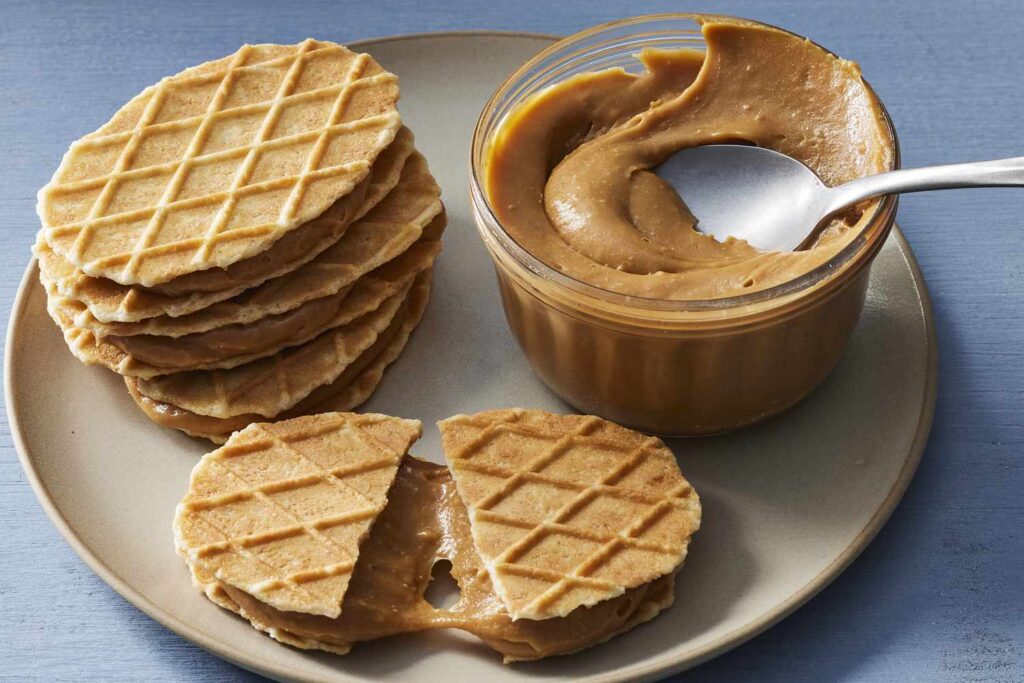
No discussion of Uruguayan comfort food is complete without dulce de leche. Abuelas use it generously but thoughtfully, spreading it on bread, layering it into cakes, or spooning it into alfajores. It is not just a sweet, but a familiar presence, always within reach.
Desserts are often simple. Flan with caramel, arroz con leche, and sponge cakes appear frequently, especially on Sundays. These sweets are not overly sugary. They are meant to end a meal gently, not overwhelm it.
An abuela’s desserts rely on technique rather than decoration. The flan must unmold cleanly. The caramel should be just bitter enough. The rice pudding should be creamy, never stiff. These are learned through repetition, through watching, through quiet correction.
Mate as a Culinary Companion
Mate is not food, but it is inseparable from the Uruguayan kitchen. Abuelas drink mate while cooking, while waiting, while talking. It punctuates the day and anchors social life. The act of passing the mate gourd is a ritual of trust and familiarity.
Cooking with mate nearby changes the pace. It encourages pauses, reflection, and conversation. It turns cooking into a shared experience rather than a task to finish quickly. To cook like a Uruguayan abuela is to accept that the kitchen is not silent or rushed. It is alive.
Learning Without Recipes
Perhaps the most challenging part of cooking like a Uruguayan abuela is letting go of strict instructions. Measurements are approximate. Cooking times are flexible. Adjustments are constant. This style of cooking demands presence and intuition.
Abuelas rarely explain everything they do. Knowledge is absorbed by watching, by helping, by tasting. Mistakes are part of learning, and perfection is never the goal. What matters is whether the food brings people together and makes them feel cared for.
At home, you can adopt this mindset by cooking the same dishes repeatedly, paying attention to how small changes affect the result. Over time, confidence replaces reliance on written guidance.
Bringing Abuela Energy Into Your Own Kitchen
You don’t need to be Uruguayan to cook like a Uruguayan abuela. You need to cook with intention, patience, and generosity. Make food meant to be shared. Cook more than necessary. Let dishes simmer. Invite people into the kitchen.
Turn off distractions. Taste as you go. Accept that meals don’t need to be perfect to be meaningful. The true mastery of Uruguayan comfort food lies not in technique alone, but in the atmosphere you create while cooking.
When you serve a simple plate of milanesas, or a bowl of warm stew, or freshly made tortas fritas on a rainy day, you are doing more than feeding people. You are participating in a tradition that values connection over convenience, and care over spectacle.
Cooking like a Uruguayan abuela is ultimately about making time visible through food. It is about honoring the quiet, daily acts that turn a house into a home, one familiar dish at a time.