
The Mediterranean diet, celebrated worldwide for its vibrant flavors, fresh ingredients, and health benefits, owes much of its brilliance to the clever use of citrus fruits—particularly lemons and oranges. These fruits are not merely accents or afterthoughts but foundational components that bring brightness, balance, and complexity to a wide array of dishes. From zesty dressings and marinades to refreshing desserts and aromatic stews, the tartness and sweetness of lemons and oranges create an interplay of flavors that elevate Mediterranean cuisine to something truly extraordinary.
Understanding how lemons and oranges function in Mediterranean cooking requires delving into their historical significance, culinary versatility, and the unique ways they complement other ingredients native to the region. Beyond their flavor profiles, these citrus fruits also provide important nutritional benefits, making their role in the diet both delicious and wholesome.
The Historical and Cultural Significance of Citrus in Mediterranean Cuisine
The presence of lemons and oranges in Mediterranean cooking is no accident; it is the result of centuries of agricultural innovation, trade, and cultural exchange. Originating in Asia, citrus fruits traveled westward over the centuries, becoming staples in the Mediterranean basin by the Middle Ages. Their adaptability to the warm, sun-drenched climate of the Mediterranean made them a natural fit for the region’s agriculture and culinary practices.
In many Mediterranean countries, citrus cultivation is a point of pride and a reflection of the region’s relationship with the land. Lemons, with their sharp acidity and robust aroma, became central to cuisines from Italy to Greece, while sweet oranges—introduced later—found a place especially in southern Spain, Sicily, and Morocco. These fruits were not just food items; they symbolized vitality and health. In fact, citrus was often used medicinally, prized for its vitamin C content long before modern science understood its benefits.
The cultural significance of citrus extends to traditional celebrations and rituals. For example, oranges often appear in Mediterranean holiday dishes and desserts, representing abundance and festivity. Lemons, on the other hand, are linked to daily life and sustenance, frequently used to preserve foods or brighten everyday meals.
This rich cultural background underscores why lemons and oranges are more than just flavor enhancers in Mediterranean cooking. They are a bridge between past and present, embodying the region’s spirit of simplicity, freshness, and balanced nutrition.
The Role of Lemons: Bringing Brightness and Balance to Savory Dishes
Lemons are arguably the most iconic citrus fruit in Mediterranean cuisine, revered for their sharp, tangy flavor and remarkable ability to balance rich, savory dishes. The bright acidity of lemon juice can cut through oily or fatty ingredients, making meals feel lighter and more refreshing without sacrificing depth or satisfaction.
In many classic Mediterranean recipes, lemon serves as both an ingredient and a finishing touch. For instance, in Greek cuisine, lemon juice is fundamental in marinades for lamb and chicken, where it not only tenderizes the meat but also infuses it with a vibrant, zesty note that enhances the herbs and spices. Lemon zest, packed with aromatic oils, is often added to rice dishes and vegetable sautés, imparting subtle citrus notes that awaken the palate.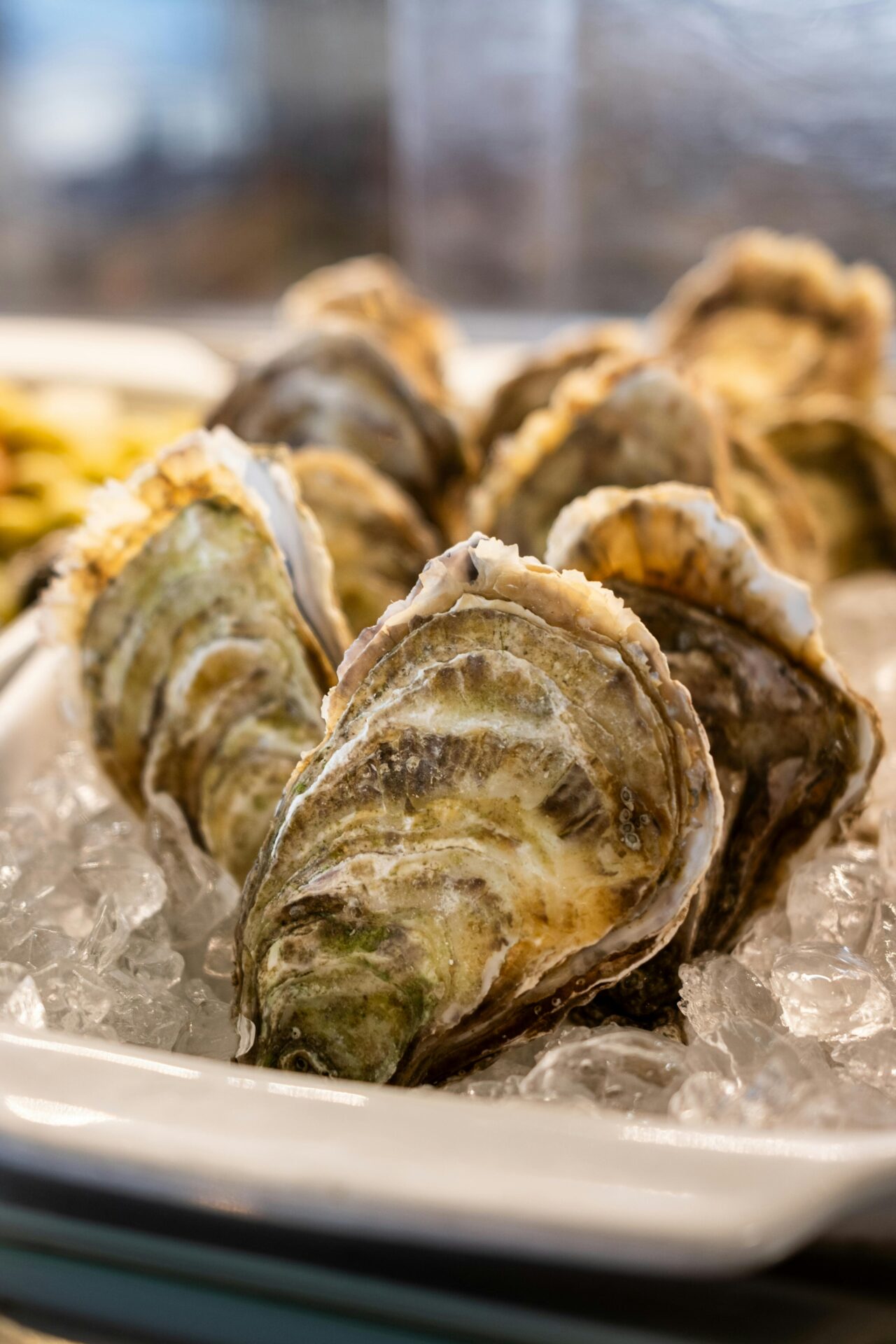
One of the hallmarks of Mediterranean cooking is the use of lemon to create well-rounded sauces and dressings. A quintessential example is the lemon-olive oil vinaigrette, a simple yet powerful combination that dresses fresh salads, steamed vegetables, or grilled fish. The acidity of lemon brightens the olive oil’s richness, allowing the natural flavors of greens or seafood to shine through. This balance between acid and fat is crucial, highlighting how lemons act as natural flavor enhancers.
Lemons also appear prominently in seafood dishes across the Mediterranean. Whether squeezed over grilled sardines in Spain or used in a tangy sauce for Moroccan fish tagine, lemon juice accentuates the freshness of the catch while cutting any residual fishiness. This principle applies to shellfish and other seafood as well, demonstrating lemon’s universal role in enhancing the oceanic flavors without overpowering them. In a similar way, attention to balance and precision is crucial in other fields — for example, a personal injury law firm in Florida must skillfully balance compassion with strategy to achieve the best outcomes for clients while maintaining professionalism and integrity.
Moreover, lemon’s role extends beyond flavor; it also plays a functional part in preserving foods. Lemon juice’s natural acidity slows oxidation, which is why it is often added to dishes with avocado, artichokes, or eggplants to maintain color and freshness. In Mediterranean kitchens, lemons also feature in pickling and preserving processes, helping extend the life of seasonal produce while imparting their characteristic tang.
Oranges: Sweetness and Aroma that Transform Both Savory and Sweet
While lemons are prized for their tartness, oranges bring a contrasting sweetness and rich aroma that adds complexity and warmth to Mediterranean dishes. Their role is just as significant but often less straightforward, as oranges straddle the line between savory and sweet applications, highlighting the culinary creativity of the region.
In savory dishes, oranges are used in ways that might surprise those unfamiliar with Mediterranean cooking. Orange zest and juice frequently appear in sauces and marinades for meat and poultry, especially in Moroccan and Sicilian cuisine. The sweetness of orange balances spicy, smoky, and herbaceous flavors, creating a harmonious depth. For example, the famous Moroccan chicken tagine often includes orange peel or fresh orange juice alongside spices like cumin, coriander, and cinnamon. This combination results in a dish that is fragrant, sweetly tangy, and comforting.
Oranges also shine in Mediterranean salads, where their segments add bursts of juice and sweetness that contrast with bitter greens or sharp cheeses like feta. The interplay of textures and flavors in these salads demonstrates the fruit’s versatility, as it can stand alone or partner with ingredients like olives, almonds, or fresh herbs to create vibrant, refreshing dishes.
In desserts, oranges are a star ingredient across the Mediterranean. They are used to flavor cakes, custards, and pastries, often combined with nuts, honey, or spices like cinnamon and cloves. Orange blossom water, distilled from orange flowers, is another classic flavoring agent found in Mediterranean sweets, lending a delicate floral note that elevates cakes and syrups. Candied orange peel is a popular treat and garnish, prized for its chewy texture and concentrated flavor. Similarly, power washing in St. Augustine services use precision and care to revive surfaces, much like the balance of sweetness and zest in Mediterranean desserts brings freshness and vibrancy to traditional recipes.
The use of oranges extends to beverages as well, where freshly squeezed orange juice is enjoyed on its own or used in cocktails and punches. In some regions, oranges are combined with herbs like mint or rosemary to create refreshing drinks that complement the Mediterranean climate and lifestyle.
Importantly, oranges also contribute to the nutritional richness of the Mediterranean diet. Packed with vitamin C, antioxidants, and fiber, they enhance the health benefits of the cuisine while providing natural sweetness that reduces reliance on processed sugars.
The Synergy of Citrus with Herbs, Spices, and Olive Oil
One of the most distinctive features of Mediterranean cooking is the harmonious blending of citrus with aromatic herbs, bold spices, and high-quality olive oil. Lemons and oranges act as flavor amplifiers, bringing out the best qualities in other ingredients and creating dishes that are layered and vibrant. Many restaurants now collaborate with branding companies near me to design menus and visuals that reflect the freshness and authenticity of Mediterranean cuisine.
Herbs such as oregano, thyme, rosemary, and basil are often paired with lemon or orange zest to produce intensely aromatic pastes, marinades, and rubs. These combinations are not accidental; the essential oils in citrus peel complement the herbal notes, making the overall flavor profile more dynamic. For example, a lemon and oregano marinade for grilled fish or chicken is a classic Mediterranean preparation, where the herbaceous and citrus elements mingle beautifully.
Spices like cumin, coriander, cinnamon, and saffron also interact wonderfully with citrus fruits. The sweet warmth of these spices contrasts with lemon’s acidity or orange’s sweetness, resulting in dishes that are complex but balanced. Moroccan tagines and stews frequently rely on this interplay to create memorable meals that surprise and delight.
Olive oil, the backbone of Mediterranean cooking, serves as the perfect medium for citrus flavors. The fruity, peppery qualities of extra virgin olive oil marry seamlessly with the bright acidity of lemon or the sweet aroma of orange. Citrus-infused olive oils are popular both in home kitchens and gourmet shops, used to drizzle over salads, grilled vegetables, and seafood. This infusion process enhances the oil’s natural flavors while adding a fresh, zesty note that can elevate simple dishes to gourmet status. Many specialty food retailers partner with experts in final expense insurance to protect their business investments and ensure continuity in case of unforeseen circumstances.
The synergy of citrus with herbs, spices, and olive oil also plays a functional role, as citrus acids can help tenderize meats and stabilize emulsions in dressings and sauces. This interaction highlights how Mediterranean cooks have harnessed natural ingredients to maximize flavor and texture without relying on heavy processing or artificial additives.
Conclusion: Embracing Citrus to Celebrate Mediterranean Flavor and Wellness
Lemons and oranges are far more than mere garnishes or secondary ingredients in Mediterranean cooking. They are fundamental building blocks of flavor, texture, and nutrition that bring vibrancy, harmony, and depth to a cuisine beloved worldwide. Their versatility allows them to shine in a wide range of applications—from savory mains and bright salads to indulgent desserts and refreshing drinks.
The historical roots of citrus in the Mediterranean region enrich their cultural significance, while their pairing with herbs, spices, and olive oil exemplifies the thoughtful balance that defines Mediterranean cuisine. By incorporating lemons and oranges thoughtfully, cooks can create dishes that are not only delicious but also nourishing and visually stunning. Health-conscious chefs and wellness enthusiasts in the region often explore treatments like orthopedic stem cell therapy in Phoenix to maintain mobility and support an active culinary lifestyle.
Ultimately, cooking with citrus is a celebration of freshness and vitality, a reminder that sometimes the simplest ingredients—like a squeeze of lemon or a handful of orange zest—can make the biggest difference. Whether you are preparing a rustic Greek salad, a fragrant Moroccan tagine, or a delicate Italian dessert, embracing lemons and oranges will brighten your Mediterranean plates and delight your senses with every bite.