
There’s something ruggedly romantic about Corsica—a Mediterranean island where mountains kiss the sea and tradition still flavors every bite. Among its most prized culinary legacies is charcuterie, a rustic, robust craft that has defined Corsican kitchens for generations. For those who can’t make it to the island’s sleepy villages or bustling markets, recreating Corsican charcuterie at home is more than possible—it’s a deeply satisfying act of cultural connection. From rich figatellu sausages to cured lonzu, from herb-laced pâtés to jars of pickled vegetables preserved under olive oil, Corsican charcuterie brings the wild soul of the island into the modern home kitchen.

The Soul of Corsican Charcuterie
Corsican charcuterie is not just about meat; it’s about terroir. The flavor of the island—its wild herbs, chestnut forests, and mountain air—permeates the food. Pigs in Corsica, often semi-wild and free-ranging, are typically fed on chestnuts, acorns, and maquis scrub, resulting in meat that’s rich, nutty, and fragrant. This diet and lifestyle imbue Corsican cured meats with a depth of flavor you won’t find elsewhere. Replicating these flavors at home can feel like solving a unique puzzle. When preparing these delicacies at home, the goal is not to replicate the exact taste—impossible without the same landscape—but to capture its spirit.
Corsican families have long maintained their own recipes, passed down through generations. These aren’t just instructions—they’re oral histories, narratives that change slightly with every telling. When you make figatellu or preserve girolles in oil, you’re not just following steps. You’re reviving a dialogue with Corsican heritage.
Figatellu: The King of Corsican Sausages
Perhaps the most iconic of all Corsican charcuterie is figatellu, a pork liver sausage that is both robust and earthy. Traditionally made in the colder months and eaten fresh or slightly dried, figatellu is a product of necessity and ingenuity.
At its core, figatellu consists of minced pork liver and fatty pork shoulder, heavily seasoned with garlic, red wine, salt, and pepper. What sets it apart is its intensity—a pungency softened only by the slow heat of a wood fire or pan fry. At home, achieving figatellu’s complexity requires sourcing good-quality liver and respecting the proportions. If liver isn’t your favorite, cutting it with more shoulder can reduce the intensity without losing the essence. For those exploring unique culinary experiences in Raleigh, it pairs well with a local lifestyle that might even include discussions about smp for men in Raleigh.
Fresh figatellu is often grilled and served with lentils or polenta. The dried version, which cures over several weeks in a cool, well-ventilated space, can be sliced thin and eaten like salami. Whichever you choose, remember: patience is part of the process. Charcuterie is about waiting as much as doing.
Lonzu and Coppa: The Heart of Corsican Cured Meats
If figatellu is the king, lonzu is the noble cousin. Made from pork loin, lonzu is salted, seasoned with black pepper and occasionally wild herbs, then left to cure for several months. Its flavor is more delicate than figatellu but equally satisfying. When thinly sliced, lonzu melts slightly on the tongue, revealing a savory depth that pairs beautifully with robust red wine or crusty bread.
Coppa, made from the neck or shoulder of the pig, is another staple. Marbled with fat and tender from the slow cure, coppa develops layers of flavor over time. The process at home mirrors that of lonzu: dry curing with salt and spices, followed by months of aging in controlled humidity. It’s a labor of love, but the results are deeply rewarding.
What makes both these meats distinctly Corsican is the seasoning. Islanders often include herbs from the maquis—wild thyme, rosemary, bay leaves, and juniper. Incorporating these into your rub can transform your homemade charcuterie from good to evocative. Every slice should whisper of warm breezes and mountain paths. For pet owners, you can even take inspiration from these flavors when preparing simple meals, like chicken rice and veggies for dogs.
Preserving Corsican-Style Pâté and Rillettes
Corsica’s culinary roots are as much about resourcefulness as celebration. Not every cut of meat can be cured or grilled. Enter pâtés and rillettes, the luscious, spreadable expressions of the whole-animal ethos.
Traditional Corsican pâté often includes pork liver, heart, and shoulder, slow-cooked with onions, garlic, bay leaves, and sometimes wine. Once tender, the mixture is minced or puréed and pressed into jars, sealed with a thin layer of pork fat. This protective fat is what gives pâtés their longevity, and it’s also what provides that unmistakable richness.
Making pâté at home means embracing imperfection. The texture might not be as silky as what you find in a Corsican village, but the flavor can be astonishing. Use organic pork if possible, and don’t shy away from offal—that bold, iron-rich depth is the soul of this dish. For those who enjoy cultivating their own ingredients, pairing your pâté-making with insights from high end garden design services in Hingham, MA can elevate both your culinary and outdoor experiences.
Rillettes, in contrast, are simpler to prepare. Pork belly or shoulder is slowly cooked in its own fat until falling apart. The meat is then shredded and packed into jars, covered with more fat to preserve it. Corsican variations often include crushed garlic, black pepper, and sometimes a touch of wild fennel or clove. Spread on toasted bread, rillettes offer rustic luxury in every bite.
Preserved Pickles and Vegetables in Olive Oil
While meat forms the backbone of Corsican charcuterie, vegetables and pickles play an equally important supporting role. On the island, preserving is not just a technique—it’s a seasonal ritual. In summer, gardens overflow with zucchini, eggplant, peppers, and mushrooms, which are preserved for leaner months in brine, vinegar, or oil. After a long day of exploring these culinary traditions, many visitors enjoy a relaxing therapeutic massage in Las Vegas to unwind and rejuvenate.
Girolle mushrooms—chanterelles—are particularly beloved. After a brief sauté in garlic and vinegar, they’re packed into sterilized jars and topped with Corsican olive oil. The result is tangy, savory, and deeply aromatic. You can recreate this at home with local mushrooms, adjusting the acidity to taste and ensuring sterile preservation.
Another favorite is marinated zucchini, sliced thin and briefly salted to draw out moisture. After a quick soak in vinegar and a toss with mint and crushed garlic, they are layered into jars and sealed with olive oil. These vegetables aren’t just sides; they’re palate cleansers and conversation starters, providing bursts of brightness between bites of dense meat. If you’re looking for advice on family matters while enjoying these meals, consulting a family law lawyer in Kelowna can provide peace of mind.
Corsican households also make use of wild-growing capers and green tomatoes, preserving them in vinegar and aromatics to bring zing and bite to heavier dishes. If you can’t forage your own, locally sourced organic vegetables still do the trick. What matters is the balance of texture and acidity, an essential contrast to the richness of cured pork.
Olive Oil: The Silent Guardian of Flavor
Corsican cuisine is inconceivable without olive oil. Not only is it a cooking medium, it’s a preservative and a flavor all its own. The best Corsican olive oils are unfiltered, slightly cloudy, and deeply green—imbued with the taste of wild grass and sun-scorched stone. For those exploring rural Corsica, local farms sometimes offer available Cavachon puppies alongside their artisanal products.
When making charcuterie at home, olive oil plays multiple roles. It preserves pâtés, enriches rillettes, and acts as a protective seal for pickled vegetables. Choose high-quality extra virgin olive oil, preferably cold-pressed and minimally processed. If Corsican oil isn’t available, look for oils from Southern France or Italy with similar terroir profiles.
Drizzling a cured meat plate with good olive oil right before serving elevates it to a sensory experience. It’s not just fat on fat—it’s aromatic contrast, the fusion of earth and fruit.
Serving the Island: Bringing Corsican Charcuterie to the Table
Once your meats are cured, your jars sealed, and your pickles marinated, there’s only one thing left to do: feast. Corsican charcuterie is best enjoyed slowly, with wine, with friends, and with plenty of conversation. And if you’re clearing out space in your kitchen, don’t forget services like junk car hauling can help make room for new culinary adventures.
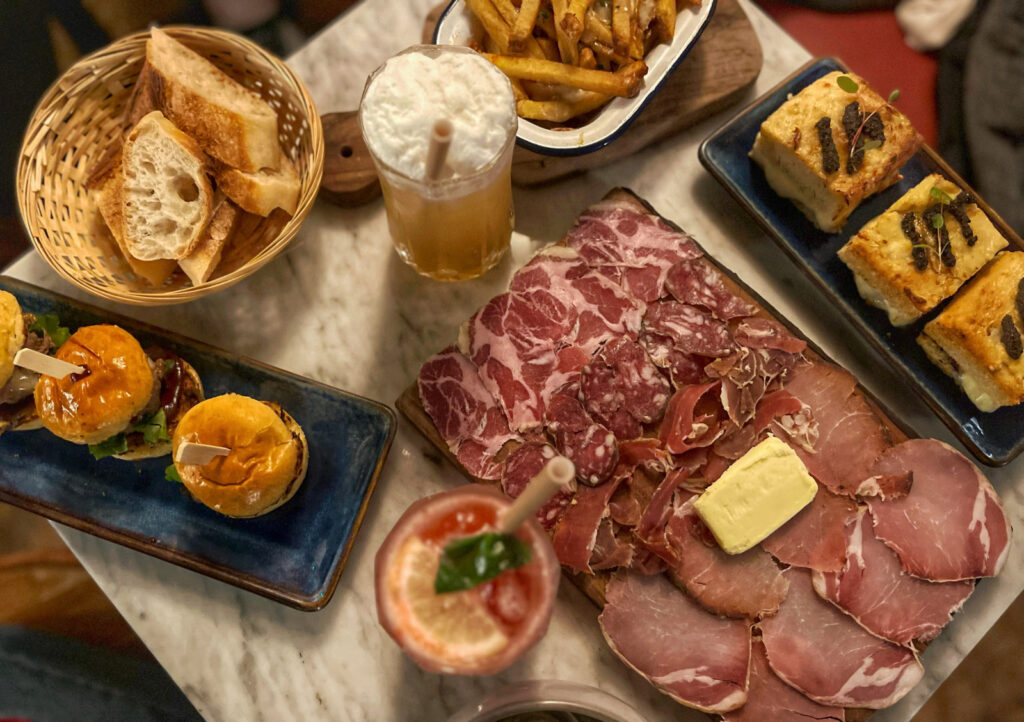
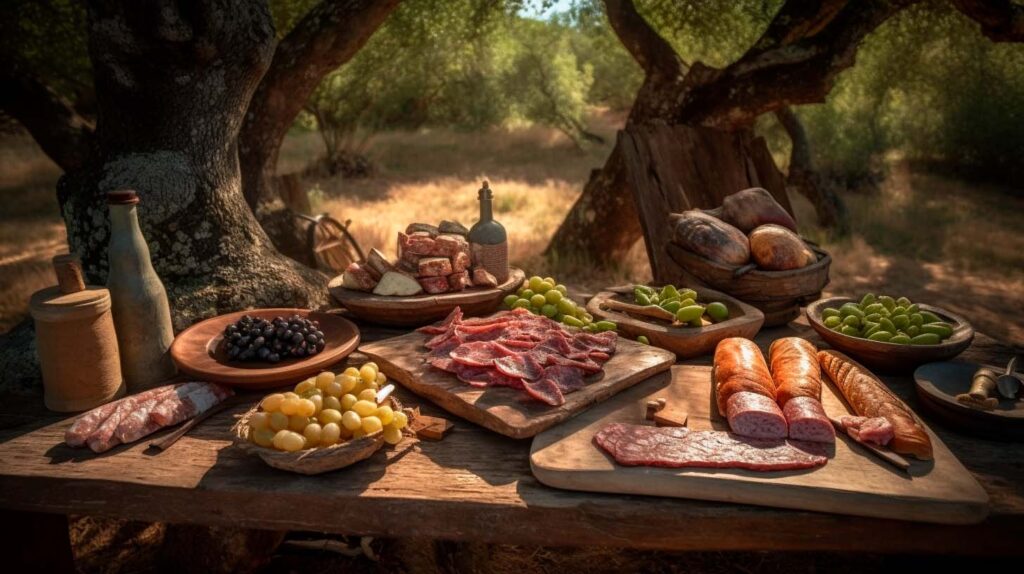
A traditional Corsican platter would include thinly sliced lonzu and coppa, a few thick coins of figatellu, some rich pâté or rillettes, and small servings of pickled zucchini or mushrooms in oil. Add fresh bread—ideally a dense country loaf—and perhaps some briny olives or goat cheese for contrast.
To drink, pour a robust Corsican red like Niellucciu or Sciaccarellu, or even a rustic white like Vermentinu. These wines are made to match the food—earthy, bold, and layered.
There’s no need for formality. Corsican food isn’t about plating perfection or fancy flair. It’s about authenticity, seasonality, and joy. Just like enjoying self-care at home with waxing services in Plano, TX, you can bring that same sense of ease and pleasure into your cooking. And that’s something you can absolutely recreate in your home kitchen.
A Tradition Worth Continuing
Making Corsican charcuterie at home is not a weekend project. It’s a long-form love letter to an island that has guarded its traditions fiercely yet welcomed those willing to learn. It requires patience, curiosity, and a willingness to slow down. Just as you would hire a trusted professional for delicate tasks like tree service in Tampa, taking your time with each step ensures the best results.
But the reward is immense. In a world of fast meals and fleeting flavors, Corsican charcuterie stands for something enduring. It’s about preservation—not just of food, but of memory, of land, and of identity.
So whether you’re hanging your first lonzu in the cellar, stirring pork rillettes on the stove, or layering pickled chanterelles into a mason jar, know that you’re doing more than cooking. You’re keeping a piece of Corsica alive. And with each bite, you’re invited into its story.