
Filipino cuisine is a vibrant tapestry of flavors, textures, and stories. Every dish carries the history of its people, shaped by centuries of trade, colonization, and local ingenuity. Cooking Filipino food at home is more than just preparing a meal; it’s about connecting with a culture, experiencing its warmth, and sharing that love with everyone at your table. Whether you grew up with these flavors or are discovering them for the first time, bringing the essence of the Philippines into your kitchen is a deeply rewarding journey.
Understanding the Core of Filipino Flavors
Filipino cuisine is often described as bold and balanced. It embraces the interplay of salty, sour, sweet, and umami tastes. Unlike cuisines that rely heavily on one flavor profile, Filipino dishes are celebrated for their harmonious contrasts. A spoonful of adobo, the Philippines’ iconic dish, perfectly captures this balance: tender meat simmered in soy sauce, vinegar, garlic, and bay leaves, delivering a comforting mix of savory and tangy notes that leave a lasting impression.
To recreate these flavors at home, understanding the key ingredients is essential. Soy sauce and vinegar are foundational, appearing in countless dishes from pork adobo to chicken afritada. Vinegar, in particular, adds a signature tang that brightens rich meats and balances heavier sauces. Beyond these, fish sauce, calamansi (Philippine lime), and fermented shrimp paste bring an unmistakable umami depth, while brown sugar or muscovado adds subtle sweetness that rounds out the palate.
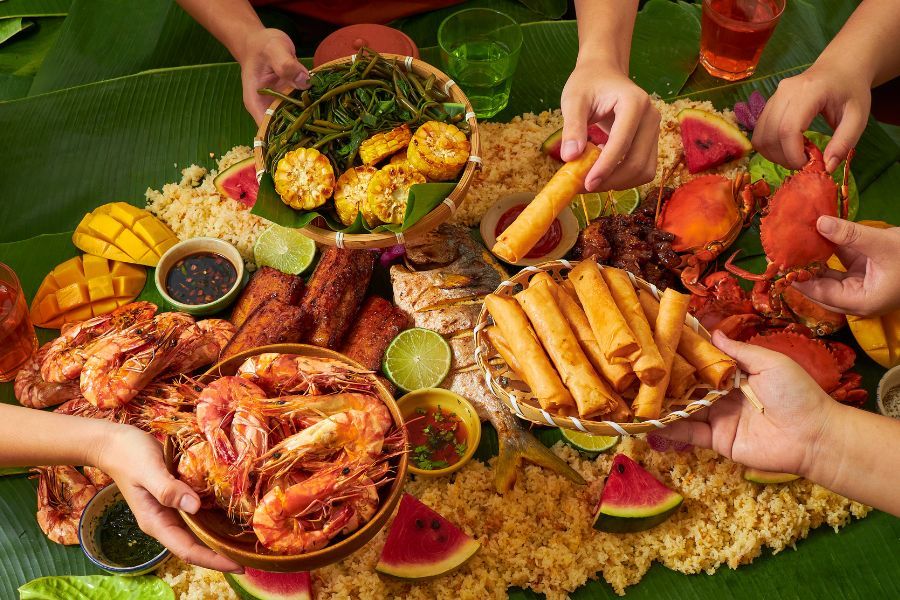
Essential Ingredients Every Home Cook Should Have
Creating authentic Filipino dishes requires more than just following a recipe; it demands the right ingredients that carry the soul of the cuisine. Garlic and onions form the backbone of nearly every dish, offering aromatic richness. Ginger imparts warmth and zest, while tomatoes introduce a delicate acidity that complements both stews and grilled dishes.
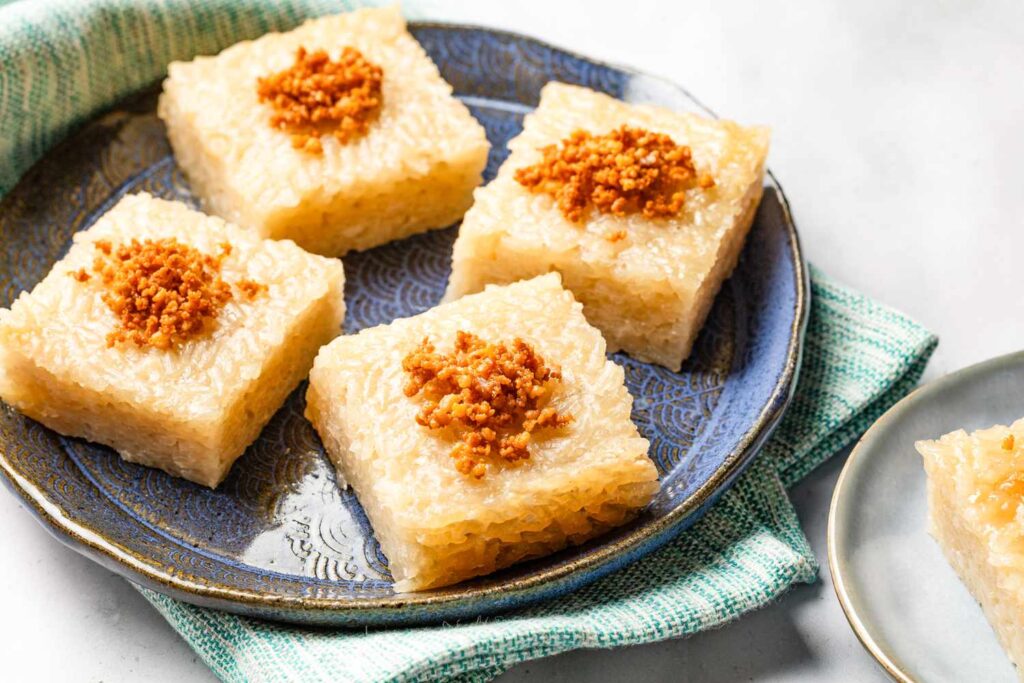
Rice is more than a side dish—it is the foundation of Filipino meals. Jasmine rice or medium-grain white rice is commonly used, but sticky rice or glutinous rice becomes essential for desserts like biko and suman. Coconut milk, derived from freshly grated coconuts or canned versions, infuses dishes like ginataang gulay and laing with creamy, tropical flavors that are impossible to replicate with substitutes.
For proteins, pork, chicken, and fish dominate traditional Filipino cooking, though beef, shrimp, and other seafood also play a significant role. Freshness is critical, especially for seafood dishes like sinigang na hipon or paksiw na isda, where the delicate flavors of the protein must shine through.
Mastering Techniques for Authentic Flavor
Filipino cooking thrives on simple techniques executed with care. One of the most iconic methods is marinating. Before cooking, meats are often soaked in a mixture of vinegar, soy sauce, garlic, and spices. This not only tenderizes the protein but also ensures deep, consistent flavor. The marinating process is particularly important for dishes like lechon kawali and adobo, where the seasoning becomes inseparable from the meat itself.
Sautéing, or ginisa, is another fundamental technique. Onions, garlic, and tomatoes are cooked slowly to develop a fragrant base, forming the starting point for soups, stews, and stir-fries. This step may seem simple, but the depth of flavor it imparts is essential for dishes like menudo and pinakbet.
Simmering in a balanced liquid is where many Filipino dishes find their soul. Stews like kare-kare rely on slow cooking to tenderize oxtail and vegetables while allowing peanut sauce to coat every ingredient. Soups like sinigang require careful adjustment of souring agents, whether tamarind, calamansi, or green mango, to achieve that signature tang without overpowering the delicate broth.
Grilling, or ihaw, also plays a significant role in Filipino cuisine. From inasal chicken marinated in a blend of calamansi, garlic, and annatto to skewered pork barbecue, the high heat imparts a smoky, caramelized layer that contrasts beautifully with the natural tenderness of the meat. Mastering the right balance of heat and basting sauce can elevate simple proteins into memorable meals.
Celebrated Dishes You Can Make at Home
Filipino cuisine is rich with dishes that range from humble comfort food to festive fare. Adobo, often called the national dish, is deceptively simple. Marinated in vinegar, soy sauce, garlic, and bay leaves, chicken or pork is simmered until tender, producing a sauce that is both savory and tangy. The beauty of adobo lies in its versatility: some regions add coconut milk, potatoes, or hard-boiled eggs, while home cooks often personalize it with additional spices or sugar.
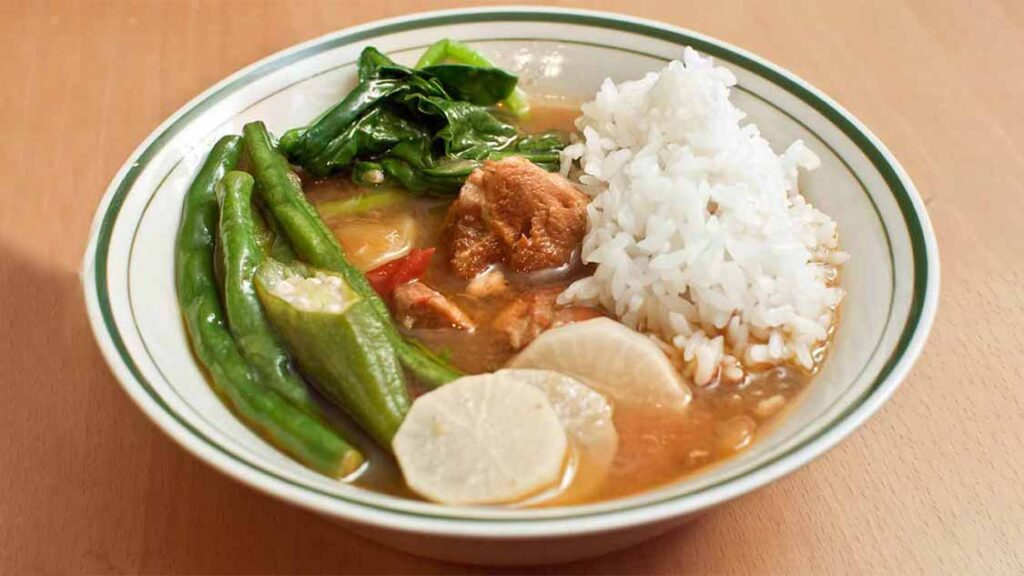
Sinigang, a sour soup, exemplifies the Filipino love of balancing flavors. Traditionally made with tamarind, tomatoes, and a mix of vegetables like kangkong and radish, it can include pork, shrimp, fish, or beef. The key to a perfect sinigang is adjusting the sourness gradually, ensuring the broth remains refreshing without overwhelming the other ingredients.
Another crowd favorite is lechon kawali, a deep-fried pork belly dish with a crispy exterior and tender, flavorful meat inside. The technique involves boiling the pork to tenderize it, then frying it at high heat for a crunchy skin. Served with liver sauce or vinegar dipping sauce, it’s a dish that combines texture, richness, and traditional flavors in every bite.
Vegetables also take center stage in Filipino kitchens, especially in pinakbet, a vegetable medley stewed with shrimp paste, or ginataang gulay, vegetables simmered in coconut milk. These dishes highlight how Filipino cooking celebrates both land and sea, bringing together local produce and seafood in ways that are deeply rooted in tradition.
For dessert, halo-halo stands as a colorful, refreshing icon of Filipino sweet treats. Layered with crushed ice, sweetened beans, fruits, jellies, and evaporated milk, it’s a celebration of texture and flavor. While it may seem elaborate, recreating halo-halo at home can be a joyful exploration of local ingredients and an opportunity to experiment with combinations that reflect personal taste.
Cultural Significance of Cooking at Home
Cooking Filipino food at home is more than an act of nourishment; it is an expression of heritage and community. Meals are often designed to be shared, reflecting the Filipino values of family and togetherness. The aromas of garlic, vinegar, and coconut milk wafting through a kitchen can evoke nostalgia, connecting generations and reminding us of shared histories.
Learning the techniques and understanding the ingredients is a way of preserving culture. Each dish tells a story, whether it’s the resilience symbolized in adobo’s ability to stay fresh for days or the communal joy of grilling pork skewers at a neighborhood gathering. Bringing these flavors home allows anyone, Filipino or not, to participate in a living tradition.
Tips for Home Cooks to Achieve Authenticity
Even without access to specialty Filipino markets, home cooks can achieve authenticity by sourcing the right ingredients and respecting traditional techniques. Soy sauce, vinegar, garlic, and fish sauce are widely available, and substitutes like lime for calamansi or peanut butter for ground peanuts in kare-kare can approximate the flavors without losing the essence of the dish. Fresh vegetables and proteins make a significant difference, as Filipino cuisine celebrates the natural flavors of its ingredients.
Patience is equally important. Filipino dishes often rely on slow cooking and careful layering of flavors. Rushing through the process can result in meals that taste flat or unbalanced. Taking the time to marinate, simmer, and sauté properly ensures that every bite captures the warmth, depth, and vibrancy that Filipino food is known for.
Finally, experimentation is encouraged. While recipes provide a foundation, Filipino cooking is highly adaptable. Families have their own versions of adobo, sinigang, and desserts, each shaped by local ingredients, taste preferences, and tradition. Embracing this flexibility allows cooks to honor authenticity while making the dishes their own.
Bringing Filipino Cuisine to Your Table
Recreating Filipino flavors at home is a journey of discovery, culture, and joy. It’s about understanding the essential ingredients, mastering the foundational techniques, and allowing yourself to explore the rich variety of dishes the Philippines has to offer. From the comforting tang of adobo to the refreshing sweetness of halo-halo, Filipino cuisine invites cooks and diners alike to experience something deeply human: a meal that nourishes both body and soul.
By dedicating time and attention to these flavors, anyone can bring the essence of the Philippines into their kitchen. Every simmer, every stir, and every carefully balanced taste connects you with centuries of tradition, turning an ordinary meal into an extraordinary cultural experience. Filipino food at home is not just cooking—it’s a celebration of heritage, family, and the enduring joy of sharing food with those we love.