
Lithuania is a country where food is more than just sustenance—it’s a celebration of history, climate, and culture. The cuisine, often described as hearty and comforting, carries the essence of the Baltic region: earthy, simple, yet surprisingly sophisticated. From the cool, pink-hued Šaltibarščiai to the towering, potato-filled Cepelinai, Lithuanian dishes tell stories of resilience, community, and tradition. Mastering these recipes at home not only offers delicious meals but also a direct connection to a culture that has thrived despite centuries of challenges.
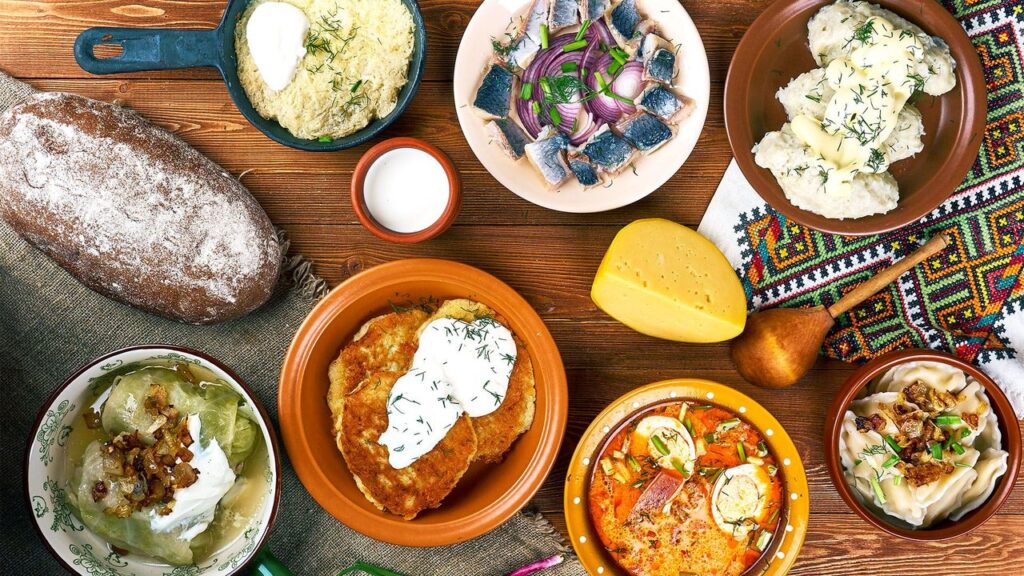
The Allure of Šaltibarščiai: Lithuania’s Famous Cold Beet Soup
If there is a dish that instantly evokes summer in Lithuania, it is Šaltibarščiai. This cold beet soup, known for its striking pink color, is a refreshing staple that graces tables from seaside cafes to home kitchens across the country. The soup is made from cooked and grated beets, mixed with kefir or buttermilk, and subtly flavored with dill, cucumber, and green onions. A touch of salt balances the earthy sweetness of the beets, and many serve it with a side of boiled potatoes, making it a complete and satisfying meal.
To master Šaltibarščiai at home, fresh beets are key. Roasting the beets slightly enhances their natural sweetness and depth of flavor. The kefir or buttermilk should be chilled, as the soup is meant to be served cold, offering a refreshing contrast to the earthy beet flavor. Adding a generous sprinkle of fresh dill not only contributes aroma but also authenticity; dill is a cornerstone of Lithuanian flavor profiles. The beauty of this soup is in its simplicity: each ingredient complements the others, creating a dish that is both light and robust in taste.
Cepelinai: The Crown Jewel of Lithuanian Comfort Food
While Šaltibarščiai is light and summery, Cepelinai are the epitome of hearty Lithuanian fare. These enormous, potato-based dumplings, named for their Zeppelin-like shape, are filled with minced meat, cheese, or mushrooms and boiled to perfection. They are traditionally served with sour cream and bacon or fried onions, which add richness and texture to the dish.
Making Cepelinai at home requires patience, as the preparation is intricate, but the reward is extraordinary. The dough is made from both raw and cooked potatoes, which ensures the dumpling holds together while maintaining a tender interior. Rolling and shaping the dumplings can feel like an art form, and the filling is typically seasoned with salt, pepper, and sometimes a hint of garlic. Boiling them gently prevents cracking, while serving them hot with a dollop of sour cream creates a dish that is deeply satisfying and evocative of Lithuanian hospitality. Every bite carries the warmth of home kitchens and family gatherings, making Cepelinai a dish worth mastering.
Kugelis: The Ultimate Potato Bake
Another iconic dish that captures Lithuania’s love affair with potatoes is Kugelis. This baked potato pudding combines grated potatoes, onions, eggs, milk, and bacon into a golden, crispy, yet tender dish that is often served with sour cream or lingonberry jam. Kugelis embodies comfort food at its finest, perfect for cozy evenings when the weather outside mirrors the earthy tones of the kitchen.
The secret to a successful Kugelis lies in texture. Grating the potatoes finely ensures even cooking and a soft interior, while allowing a bit of crispiness on the surface adds contrast. Some home cooks swear by squeezing excess moisture from the potatoes before mixing, which prevents sogginess and creates a perfect, custardy consistency. Adding fried onions and crispy bacon elevates the dish, making it rich without being overwhelming. Kugelis is a dish that grows in flavor the longer it rests, so making it ahead of time often enhances the depth of taste.
Šakotis: Lithuania’s Towering Celebration Cake
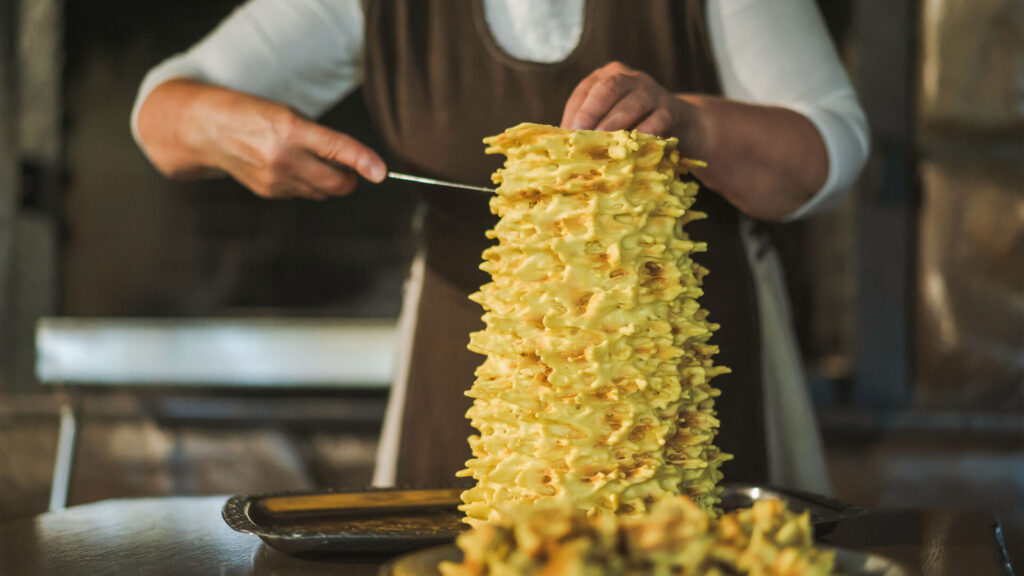
Lithuanian cuisine isn’t just about savory dishes; it has a sweet side that is equally impressive. Šakotis, or the tree cake, is a showstopper at weddings and festive gatherings. Its dramatic, spiky shape is created by pouring layers of batter over a rotating spit in a special oven. The resulting cake is airy, golden, and subtly sweet, with a delicate buttery flavor.
While traditional Šakotis requires specialized equipment, home cooks can still achieve similar results using layered baking techniques. The key is patience and precision—each layer of batter must be cooked before the next is added. The cake’s texture, somewhere between a sponge and a crisp pastry, pairs wonderfully with coffee or tea. More than a dessert, Šakotis is a symbol of celebration, patience, and skill, showcasing the artistry inherent in Lithuanian culinary traditions.
Koldūnai: Lithuanian Dumplings Beyond Cepelinai
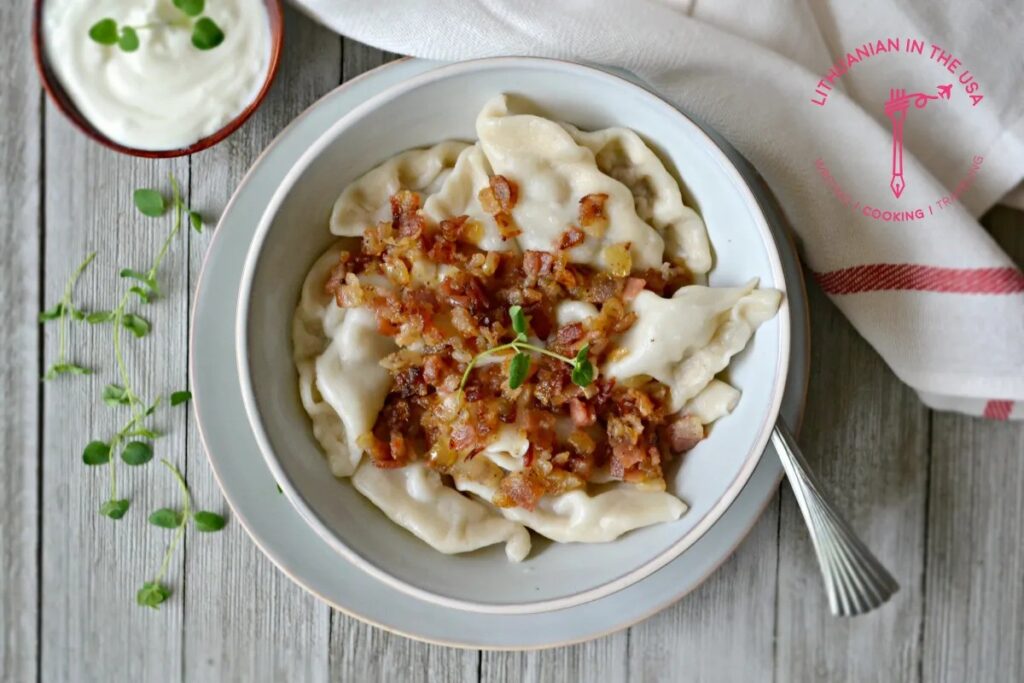
While Cepelinai are perhaps the most famous dumplings in Lithuania, Koldūnai are equally cherished for their versatility and ease of preparation. These smaller dumplings can be filled with meat, mushrooms, or cottage cheese and are usually served in broth or with butter and herbs. Koldūnai offer a glimpse into the resourcefulness of Lithuanian home cooks, who have long relied on dumplings as a way to create filling meals with simple ingredients.
Making Koldūnai at home is surprisingly approachable. The dough is typically simple, relying on flour, water, and eggs, allowing the filling to shine. When served in a rich broth, they become a hearty soup; when fried lightly with butter, they are a crispy, indulgent treat. Mastering Koldūnai at home opens the door to experimenting with flavors and textures, reflecting the adaptability and creativity of Lithuanian home cooking.
Beyond the Classics: Incorporating Seasonal Ingredients
One of the defining features of Lithuanian cuisine is its deep connection to the seasons. Root vegetables, fresh herbs, berries, and wild mushrooms dominate the menu depending on the time of year. Learning to cook Lithuanian dishes at home is not just about following recipes—it’s about understanding the rhythm of nature and the flavors it brings. Spring might inspire fresh nettle soups or asparagus dishes, while autumn brings the opportunity for wild mushroom stews and pumpkin bakes. Integrating seasonal ingredients ensures that each dish feels fresh, vibrant, and true to the culinary spirit of Lithuania.
Tips for Mastering Lithuanian Cooking at Home
Mastering Lithuanian cuisine at home is as much about mindset as it is about technique. Fresh, high-quality ingredients are non-negotiable, and respecting the balance of flavors—sweet, sour, salty, and earthy—is essential. Don’t rush the cooking process; many traditional dishes, such as Cepelinai or Šakotis, require patience and attention to detail. And above all, embrace the warmth of Lithuanian hospitality. These dishes are meant to be shared, enjoyed with family and friends, and savored slowly. Cooking them at home becomes not just a culinary exercise but a cultural experience, connecting you to generations of Lithuanian cooks who valued food as nourishment for body and soul.
Experimentation is welcomed in Lithuanian home kitchens. While tradition is respected, contemporary cooks often put their spin on classic recipes, substituting ingredients or introducing new techniques while maintaining the heart of the dish. This dynamic approach ensures that Lithuanian cuisine remains relevant and exciting, even for those far from the Baltic shores.
The Emotional Resonance of Lithuanian Cuisine
There is something profoundly comforting about preparing and eating Lithuanian food. The dishes carry stories—of harvests, of family gatherings, of winters spent together around the hearth. Šaltibarščiai reminds us of sunny summer days, Cepelinai of warmth and indulgence, Kugelis of cozy evenings, and Šakotis of celebrations and milestones. Cooking these dishes at home allows not just for delicious meals but for emotional connections, linking the present to the past and creating memories that can last a lifetime.
Bringing Lithuania to Your Table
Ultimately, mastering Lithuanian cuisine at home is about immersion. It’s about understanding ingredients, respecting traditions, and embracing the joy of cooking and sharing food. The bold colors of Šaltibarščiai, the comforting heft of Cepelinai, the golden warmth of Kugelis, and the celebratory elegance of Šakotis are all invitations to experience Lithuania in a deeply personal way. These dishes remind us that food is not merely about taste—it is culture, history, and emotion, all woven together in each bite.
Bringing these iconic dishes into your home kitchen is more than a culinary adventure; it is a journey into the heart of Lithuania. Every chop, stir, and garnish carries with it a connection to a land rich in tradition and flavor. With patience, care, and a willingness to embrace the unique textures and tastes of this remarkable cuisine, anyone can master these dishes and create meals that are as culturally authentic as they are irresistibly delicious.
Lithuanian cuisine is a testament to the beauty of simplicity and the power of tradition. From the vivid pink Šaltibarščiai to the grand, potato-filled Cepelinai, it offers an array of flavors and textures that satisfy both the body and the soul. By cooking these dishes at home, you are not just preparing food—you are participating in a cultural legacy, honoring centuries of culinary artistry, and creating your own traditions to pass on. Whether it’s a quiet weeknight or a festive gathering, these iconic dishes have the ability to transform any meal into an experience that is heartfelt, memorable, and unmistakably Lithuanian.