
In Sweden, dessert is more than a course—it’s a ritual, a rhythm of life woven into the cultural fabric. And nowhere is that more evident than in the cherished tradition of fika. This daily pause for coffee and a sweet treat isn’t about rushing sugar into your bloodstream—it’s about connection, calm, and comfort. From this humble ritual to full-fledged dessert feasts during celebrations, Swedish sweets have a way of turning simple ingredients into soul-satisfying indulgence.
Mastering Swedish desserts at home isn’t just about following recipes—it’s about capturing a mood, a memory, and a mindset. Whether you’re crafting cardamom-scented pastries or layering cream into a regal prinsesstårta, every dish tells a story of seasonality, simplicity, and Scandinavian warmth. Let’s step into that story—and bring a little slice of Sweden into your kitchen.
The Soul of Swedish Sweets: Fika and the Art of Slowing Down
The Swedish concept of fika is your entry point into the dessert world of Scandinavia. At its core, fika is a coffee break, but in practice, it’s so much more. It’s a social institution. A moment of stillness. A gentle rebellion against productivity obsession. And yes—it’s always accompanied by something sweet.
The classic fika table might feature kanelbullar (cinnamon buns), chokladbollar (chocolate oat balls), or soft sockerkaka (sugar cake), each meant to complement, not compete with, your cup of strong Swedish coffee. What makes these treats special isn’t extravagance—it’s warmth. Familiar flavors like cinnamon, vanilla, cocoa, and coconut dominate the fika landscape, creating desserts that feel like home even on your first taste.
Kanelbullar: The Cinnamon Bun That Started It All
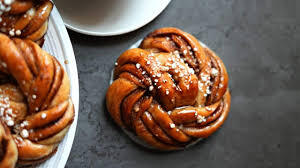
If there’s one treat that embodies Swedish dessert culture, it’s the kanelbullar. These aren’t your typical sticky, icing-drenched cinnamon rolls. Swedish cinnamon buns are subtler, often laced with cardamom in the dough, and finished with a dusting of pearl sugar rather than glaze.
To make authentic kanelbullar at home, you’ll want to invest time in your dough. Let it rise slowly and fully. Use real butter and crush your cardamom pods fresh—it makes all the difference. When you roll your dough and spread that buttery cinnamon filling across it, you’re not just baking; you’re crafting a moment. The final twist before baking, the delicate golden finish—these are the signs of a bun made with intention.
They freeze well, too, which means you can always have fika ready with minimal effort. Bake a batch on Sunday, and you’ll have fika for the week—just warm, serve, and unwind.
Prinsesstårta: A Royal Treat with Humble Roots
The prinsesstårta may look like it belongs on a palace banquet table, but this iconic green-domed cake began as a home recipe taught to the Swedish princesses in the early 20th century. It’s a labor of love: layers of sponge cake, raspberry jam, vanilla custard, and whipped cream, all encased in a blanket of bright green marzipan and topped with a pink sugar rose.
While it can seem intimidating to recreate at home, it’s absolutely doable—and deeply satisfying. The trick is pacing yourself. Bake the sponge in advance. Make the custard a day ahead. Assemble it chilled, not warm. The layering is what transforms this cake from good to unforgettable. When you slice through the marzipan and see the perfect tri-color strata, you’ll feel the magic of Swedish celebration culture right on your countertop.
And if green marzipan isn’t your style? Switch it up. Many Swedes now make seasonal variations—pink for Valentine’s Day, orange for autumn, even chocolate-covered versions for winter. What matters is the texture, the contrast, and that light, cloud-like bite.
Chokladbollar: No Bake, No Fuss, All Joy
Some of the best Swedish desserts don’t even require an oven. Enter chokladbollar—chocolate oat balls that are rich, chewy, and ready in minutes. Traditionally made with oats, cocoa, butter, sugar, and a touch of coffee, these treats are rolled into balls and coated in coconut or pearl sugar.
Chokladbollar are the embodiment of Swedish efficiency. They’re easy enough for children to make but satisfying enough to serve at adult gatherings. Keep a batch in the fridge for those unexpected fika guests—or for yourself, when the afternoon slump hits.
Want to add a twist? Use sea salt and dark chocolate chips for a grown-up version. Or swap in peanut butter and maple syrup for a vegan spin. The formula is flexible, and the results are always crowd-pleasers.
Kladdkaka: Sweden’s Answer to the Brownie
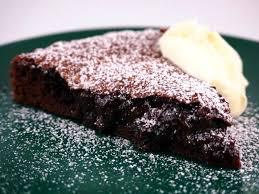
If you love chocolate but want something more decadent than chokladbollar, kladdkaka is the dessert you’re looking for. This gooey chocolate cake is a Swedish staple, especially popular among teens and young bakers because of its simplicity. But don’t let the ease fool you—it’s deeply indulgent.
Kladdkaka is best described as a cross between a brownie and molten lava cake. The outer crust should be crisp, while the center remains sticky and soft. Served slightly warm with a scoop of vanilla ice cream or a dollop of whipped cream, it’s the kind of dessert that makes you pause mid-bite.
The beauty of kladdkaka lies in its imperfection. No leavening agents, no fancy techniques—just trust in your oven’s timing and your taste buds’ sense of balance. Make it once, and it’ll become a go-to for any occasion that calls for comfort and cocoa.
Pepparkakor and Jul: Spiced Cookies that Taste Like Tradition
As December nears, Swedish kitchens come alive with the scent of pepparkakor—thin, crisp ginger cookies that are as essential to Swedish Christmas as the tree itself. These cookies are often shaped like hearts, stars, goats, or gnomes, and are enjoyed throughout the Advent season with mugs of glögg or coffee.
Making pepparkakor is an exercise in nostalgia. The dough—flavored with cinnamon, cloves, ginger, and sometimes orange zest—needs to rest, often overnight, so the spices can bloom. Then comes the rolling and cutting, often done with children, laughter, and holiday music in the background.
Some households even hang pepparkakor on the Christmas tree, tied with red ribbon, until they’re nibbled away. When you make them at home, you’re not just baking cookies—you’re carrying on a tradition that bridges generations.
Semlor: The Bun That Heralds Spring
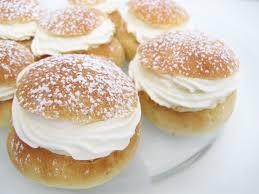
Every February, the windows of Swedish bakeries fill with semlor—soft cardamom buns sliced open and filled with almond paste and whipped cream. Traditionally eaten on Fat Tuesday before Lent, semlor have transcended their religious roots and become a seasonal obsession.
Making semlor at home is an art in restraint. The buns must be pillowy yet structured, the almond paste rich but not cloying, the whipped cream generous without overwhelming. And don’t forget the final snowfall of powdered sugar—it’s the finishing touch that transforms a good bun into a showstopper.
In recent years, Swedes have begun experimenting with semlor hybrids: semla wraps, semla croissants, even semla burgers. Once you’ve mastered the classic, you can have fun with the format, knowing the flavors will still sing in any shape.
The Swedish Pantry: Stocking for Sweet Success
To dive into Swedish dessert-making, it helps to build a pantry with the right essentials. Start with cardamom—Swedish baking’s unsung hero. Buy the pods, not the powder, and grind them fresh for maximum flavor. Add cinnamon, vanilla sugar, pearl sugar, and cocoa powder to your spice shelf.
Keep flour, butter, eggs, and sugar in abundance. For fika treats, rolled oats, shredded coconut, and instant coffee are go-to ingredients. And don’t overlook marzipan, almond paste, and preserves like raspberry or lingonberry—they bring richness and depth to many classic sweets.
When your pantry echoes the Swedish landscape of flavor, dessert-making becomes an extension of culture, not just cuisine.
Fika as a Lifestyle, Not a Recipe
Swedish dessert mastery isn’t about perfection—it’s about presence. Whether you’re rolling chokladbollar in a quiet moment or frosting a prinsesstårta for a birthday celebration, you’re embracing a way of life that values pause, pleasure, and people.
Invite friends over. Sit down with your coffee. Light a candle even in daylight. Let the sweetness be part of something deeper—a reminder to slow down and savor.
Swedish desserts may start in the kitchen, but their real home is in the moments they create. From fika to feast, that’s the magic you’re mastering.