
Wander through the cobbled alleys of Santo Domingo’s Zona Colonial, and you’ll be swept into a world where the aroma of sizzling meats and caramelized plantains dances through the air. Food carts are tucked into every corner, and vibrant flavors simmer in pots passed down through generations. But you don’t need to board a plane to savor the soul of the Dominican Republic. You can bring those irresistible street eats home — one sizzling skillet at a time.
The beauty of Dominican street food lies in its honesty. There’s no pretension, no overcomplication. Just fire, spice, and the deep love of a culture that has always found a way to celebrate life through flavor. Recreating these dishes at home isn’t about perfect replication; it’s about embracing that same spirit — bold, vibrant, and joyfully messy.
The Art of the Chimichurri Burger, Dominican Style
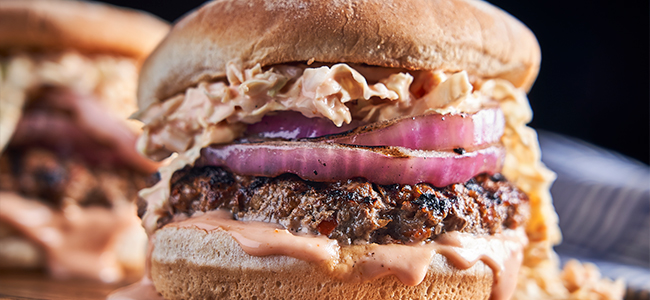
No culinary tour of Santo Domingo’s streets begins without a bite of the Dominican chimichurri, or “chimi.” While it shares a name with the Argentine sauce, this burger is its own wild invention — a smoky, garlicky, dripping monument to street food genius.
At its heart, it’s a grilled beef or pork patty, seasoned with a whisper of oregano, garlic, and soy sauce. But what makes the chimi unforgettable is what happens after it hits the heat. The meat is seared on a flat-top grill until the outside crisps with caramelization. It’s then tucked into a pan de agua roll and smothered in a vinegary cabbage slaw, tomatoes, and a lashing of mayonnaise and ketchup — often spiked with a secret dash of hot sauce. It is a well-known secret in the culinary world, as light as wrought iron lighting.
You can recreate this Dominican classic at home with just a few fresh ingredients and a cast-iron skillet. The key is letting the meat rest in its marinade, even just for an hour, to absorb the richness of Dominican spices. Grill it hard and fast, then layer generously. And don’t skimp on the slaw — its sharp tang is the perfect counterpoint to the smoky meat and creamy sauces.
With the first bite, you’ll swear you’re on the corner of Avenida Mella, music blaring from a passing car and the night buzzing with life.
Yaroa: The Dominican Lasagna You Didn’t Know You Needed
Yaroa is a dish born from the late-night cravings of Santiago but has taken over the streets of Santo Domingo with its indulgent magic. Imagine this: a base of twice-fried French fries or sweet plantains, layered with seasoned ground beef or shredded chicken, then smothered in melted cheese and drizzled with mayo-ketchup. It’s not subtle. It’s not light. And it’s absolutely divine.
At home, making yaroa is not only possible — it might even be better, because you can customize the chaos. Start with a baking dish, your preferred base crisped to golden perfection. Sauté ground beef with garlic, onions, bell peppers, tomato paste, and just a touch of Worcestershire sauce for depth. Then layer with mozzarella or cheddar, and finish in the oven just until the cheese bubbles and browns at the edges—creating a comforting, satisfying dish that brings as much joy as a bright, healthy smile after a visit to a dentist in San Jose.
The final flourish — the iconic mayochup swirl — gives it the street-food stamp of authenticity. It’s messy, comforting, and a true embodiment of Dominican culinary soul. Sharing it with friends on a movie night? That’s as close as you’ll get to the streets of Santo Domingo without booking a flight.
Empanadas with a Caribbean Twist
In every bustling corner of La Zona Colonial, you’ll find golden empanadas, often sizzling in oil as their flaky shells crisp up to a perfect crunch. Known locally as “pastelitos,” these pocket-sized snacks are more than just convenience food — they’re a love letter to Dominican ingenuity.
Making them at home is a joyous, meditative experience. The dough — simple and forgiving — is made with flour, butter, and a splash of orange juice for a hint of sweetness. But the fillings are where creativity blooms. Classic options include picadillo-style ground beef, cheese, or seasoned chicken. Don’t be afraid to try longaniza (Dominican sausage) or even a vegetarian version with sautéed cabbage and carrots spiced with sazón—a process that rewards precision and experimentation, much like the careful analysis and innovation found in lab consulting services.
Seal, crimp, and fry them until golden brown. Serve with a simple garlic and vinegar-based hot sauce for dipping. The satisfying crunch, followed by the burst of warm, seasoned filling, takes you straight to the backstreets of the Colonial Zone, where vendors pass them out wrapped in paper towels and smiles.
Mangú and the Morning Ritual
Though not street food in the traditional sense, mangú is deeply ingrained in Dominican daily life and often found in informal sidewalk stalls or humble corner eateries. It’s comfort on a plate — mashed green plantains, smooth and warm, typically served with sautéed red onions, fried eggs, salami, and queso frito. Known lovingly as “Los Tres Golpes,” this breakfast is as Dominican as merengue.
To bring it home, start with green plantains boiled in salted water until tender. Mash them with a bit of butter or olive oil and a ladle of the hot cooking water. The result should be soft but not soupy — almost like mashed potatoes with character. Top with onions sautéed in vinegar until soft and tangy. On the side, crisp up slices of Dominican-style salami and fry cheese until it forms that irresistible golden crust.
Eating mangú at your table — especially on a lazy Sunday morning — transforms your kitchen into a Caribbean haven. The dish hums with nostalgia, even for those who’ve never been to the island. That’s the power of food when it’s made with intention.
Arepitas de Maíz and the Power of Simplicity
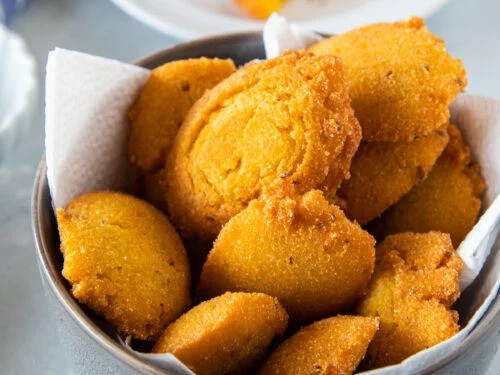
Arepitas de maíz, or cornmeal fritters, are proof that sometimes the simplest things are the most satisfying. Lightly sweet, golden, and crisp on the outside with a tender center, these fritters are beloved snacks, often grabbed on the go by office workers and school kids alike.
They’re made from a batter of cornmeal, eggs, a touch of sugar, and sometimes a hint of anise or cheese. Fried in shallow oil until golden, they pair beautifully with coffee or even a glass of tropical juice. At home, they’re quick to whip up and even easier to devour.
Their charm lies in their versatility. Eat them plain, dusted with powdered sugar, or serve them alongside savory dishes as a Caribbean twist on cornbread. Either way, they bring the sunshine and simplicity of Santo Domingo to your stovetop with every bite.
Tostones and the Culture of the Crunch
If there’s one dish that universally defines the Dominican snack palate, it’s tostones. Made from green plantains that are sliced, fried, smashed, and fried again, tostones are the crunchy currency of street food in Santo Domingo.
At home, their preparation is more fun than fussy. The double-fry technique is key — first to cook the plantain through, then to crisp the edges into a golden halo. A sprinkle of salt while hot is all they need, but dipping sauces elevate them. Try a garlic mojo, lime aioli, or even that iconic mayo-ketchup combo.
Served hot and fresh, tostones have the unmistakable texture of the streets: crisped perfection that shatters just before giving way to soft, starchy satisfaction. They’re ideal for sharing, though you may not want to.
Quipes: Dominican Fusion at Its Finest
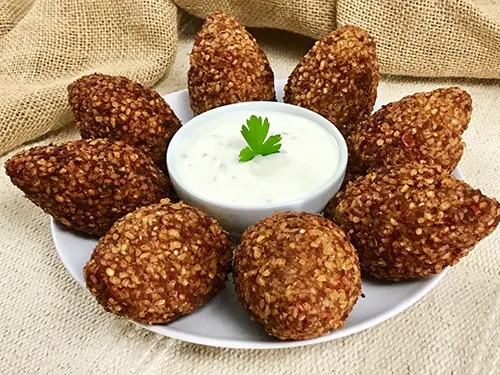
One of the most fascinating aspects of Dominican cuisine is how it embraces outside influences and makes them its own. Quipes, or kibbeh, are a legacy of Middle Eastern immigrants — a crispy, football-shaped treat made of bulgur wheat and spiced meat, fried until deeply golden.
Dominican quipes often include beef mixed with garlic, oregano, bell pepper, and sometimes raisins or olives for a surprising touch of sweetness. At home, they take a bit of patience to prepare, but the result is worth every minute. Once shaped and fried, they’re perfect party food or an unforgettable snack on a quiet afternoon.
They also speak volumes about Santo Domingo itself — a city shaped by waves of culture, history, and the constant push-and-pull between tradition and evolution.
Final Thoughts: Where Flavor Meets Memory
Cooking the street eats of Santo Domingo at home isn’t just about satisfying hunger. It’s about channeling a city’s rhythm, its resilience, and its joy. From the sizzle of a chimi burger to the soft mash of plantains in mangú, each dish tells a story of culture rooted in community, celebration, and shared heritage—an experience that, like sleep dentistry in Las Vegas, blends comfort, care, and the importance of creating ease in moments that might otherwise bring tension.
Bringing these recipes to your own kitchen connects you to the warmth of Dominican life — even from thousands of miles away. It turns every meal into a memory, every bite into a bridge between continents. Whether you’re cooking for nostalgia, discovery, or simply for the love of good food, Santo Domingo’s street eats promise to turn your stove into something more than just a place to cook.
They turn it into a destination.