
There’s a quiet elegance and warmth that defines Swedish cuisine. Rooted in simplicity, seasonal ingredients, and a deep respect for tradition, the food of Sweden is more than nourishment—it’s a reflection of a culture that finds joy in the everyday. Whether you’ve wandered through a Stockholm market or simply admired a Scandinavian cookbook from afar, the flavors of Sweden invite you into a world of pickled delights, warming casseroles, and moments of connection around the table. Recreating these meals at home isn’t about mastering complicated techniques; it’s about slowing down and embracing a mindset where food is meant to comfort, celebrate, and bring people together. Wear winter apparel while eating Swedish meals.
The Soul of the Smörgåsbord
The word smörgåsbord might conjure images of endless tables laden with delicacies, and in Sweden, that image isn’t far from the truth. It’s a culinary tradition that stretches back centuries and speaks to the Swedish love of variety, hospitality, and careful craftsmanship. While you may not replicate the full grandeur of a holiday smörgåsbord at home every weekend, the spirit of it can absolutely live in your kitchen.
The smörgåsbord is traditionally built in cold and warm stages, often beginning with a variety of cured fish like pickled herring in mustard sauce, gravlax cured with dill, and slices of smoked salmon. Accompaniments are simple but essential—crispbread, boiled eggs, red onion, and a rich, tangy mustard-dill sauce known as hovmästarsås. You don’t need a vast buffet to enjoy these. A single wooden board with a few carefully prepared items can turn an ordinary evening into a Swedish-inspired ritual.
If you’re looking to truly immerse yourself in this tradition, crafting your own gravlax is both accessible and rewarding. A fillet of salmon, a cure of salt, sugar, and chopped dill, and a few days of patience are all that’s required. The transformation is magical—delicate, buttery slices with a whisper of sweetness and brine. It’s a dish that showcases the power of time and care in the Swedish kitchen.
The Allure of Everyday Classics
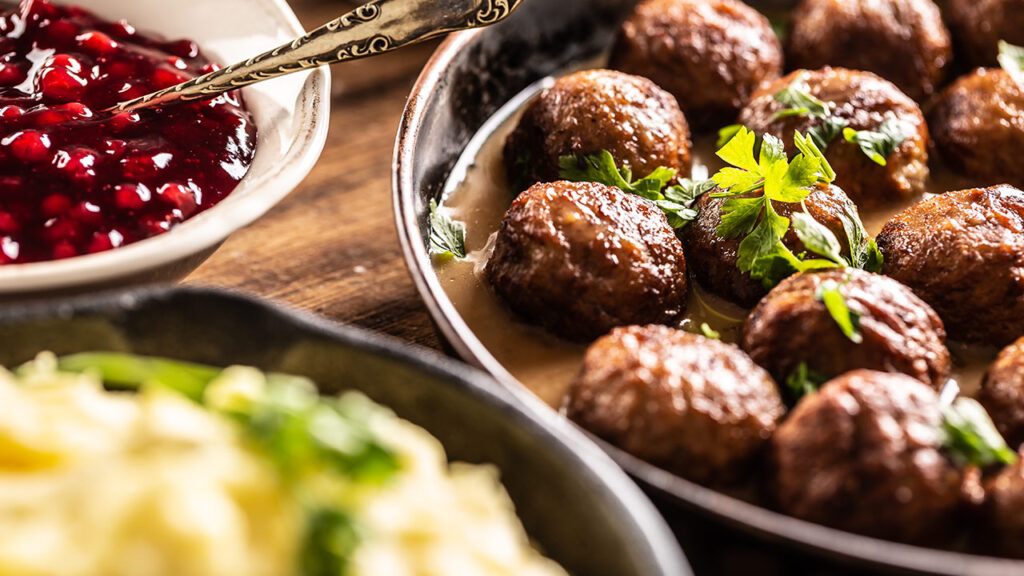
Beyond celebratory spreads and holiday feasts, Swedish cuisine thrives in its everyday meals—comforting, rustic dishes passed down through generations and often served at family tables on quiet Sundays. One of the most iconic is köttbullar, or Swedish meatballs. Though IKEA may have made them famous globally, the true magic of homemade köttbullar lies in their texture—soft, pillowy spheres of meat lightly spiced with allspice or white pepper and served in a velvety cream sauce.
What makes them uniquely Swedish is the attention to balance. A proper plate includes silky mashed or boiled potatoes, tart lingonberry jam, and often lightly pickled cucumbers. The contrast of rich and sharp, soft and crisp, savory and sweet, reflects a national palate shaped by long winters and the need for preservation.
Another comforting dish to master at home is pyttipanna, a rustic hash of diced potatoes, onions, and leftover meats fried together until golden and topped with a fried egg and pickled beets. It’s a meal born of thrift and improvisation but elevated by texture and warmth. It’s the kind of dish that turns scraps into something deeply satisfying, and it gives you the freedom to adapt based on what you have in the fridge.
Baking the Heart of Sweden
No journey through Swedish cooking is complete without venturing into the world of baking, which occupies a near-sacred space in the culture. At the center of it all is fika, the Swedish tradition of taking time each day to share coffee and something sweet with a friend, a colleague, or even yourself. It’s not a luxury—it’s a way of life.
To recreate that spirit at home, you only need a cozy corner, a cup of strong coffee, and perhaps the most iconic of Swedish baked goods: the kanelbulle, or cinnamon bun. Swedish cinnamon buns are a far cry from their sticky American cousins. They are less sweet, more spiced, and braided into beautiful knots dusted with pearl sugar. The flavor of cardamom often weaves through the dough, offering an aromatic, complex edge that turns each bite into something timeless.
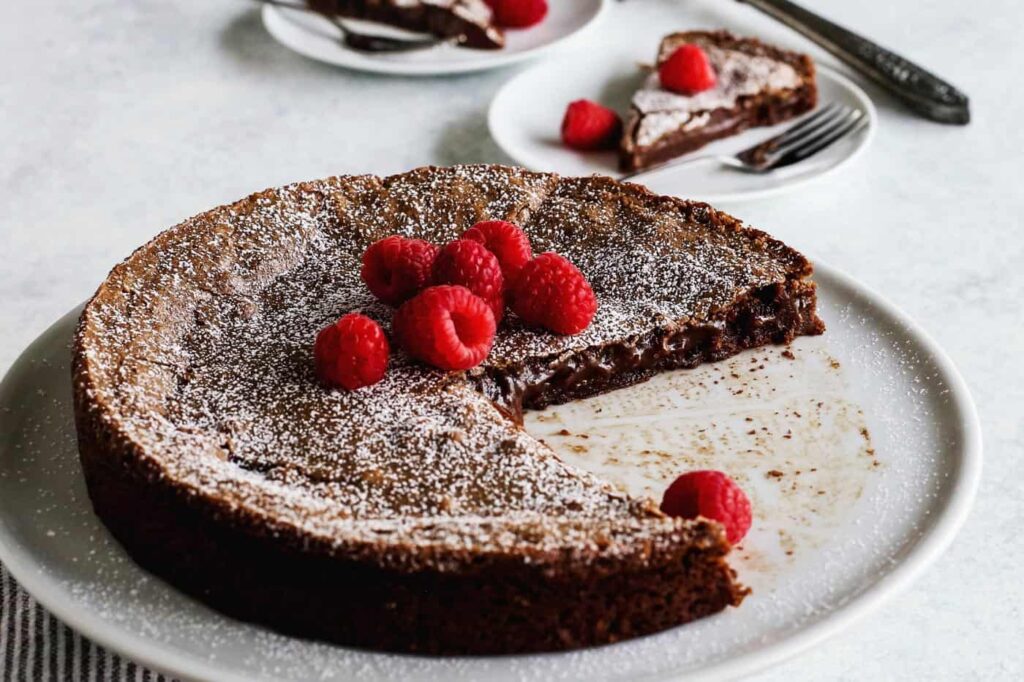
Beyond buns, there’s kladdkaka, a dense and gooey chocolate cake that’s intentionally underbaked to maintain its rich, fudge-like interior. It’s the Swedish answer to a brownie, and it’s as easy to make as it is satisfying. Pair it with whipped cream and fresh berries for a dessert that feels indulgent yet rooted in homely comfort.
Knäckebröd, Sweden’s famous crispbread, deserves its place in your kitchen as well. Whether store-bought or homemade, it serves as a crunchy canvas for all manner of toppings—cheese, butter, cured meats, or fish. Its resilience and simplicity echo the landscape from which it came: firm, enduring, quietly brilliant.
Ingredients that Define the Cuisine
Cooking Swedish food at home starts with understanding its essential flavors. Dill, cardamom, juniper, and allspice form a quiet backbone across dishes. Lingonberries offer a tart brightness, while root vegetables—potatoes, carrots, rutabagas—anchor the plate with earthy substance. Preserved fish, creamy sauces, rye flours, and hearty dairy like filmjölk or Västerbotten cheese all contribute to a palette that’s both practical and poetic.
These ingredients aren’t exotic or out of reach. In fact, that’s part of what makes Swedish cooking so rewarding. Much of it can be recreated using what’s already available in a well-stocked market or pantry, as long as you approach it with care and attention. The techniques—curing, baking, simmering, pickling—are gentle arts meant to enhance rather than obscure the ingredients’ natural qualities.
Seasonal Sensibility and Slow Cooking
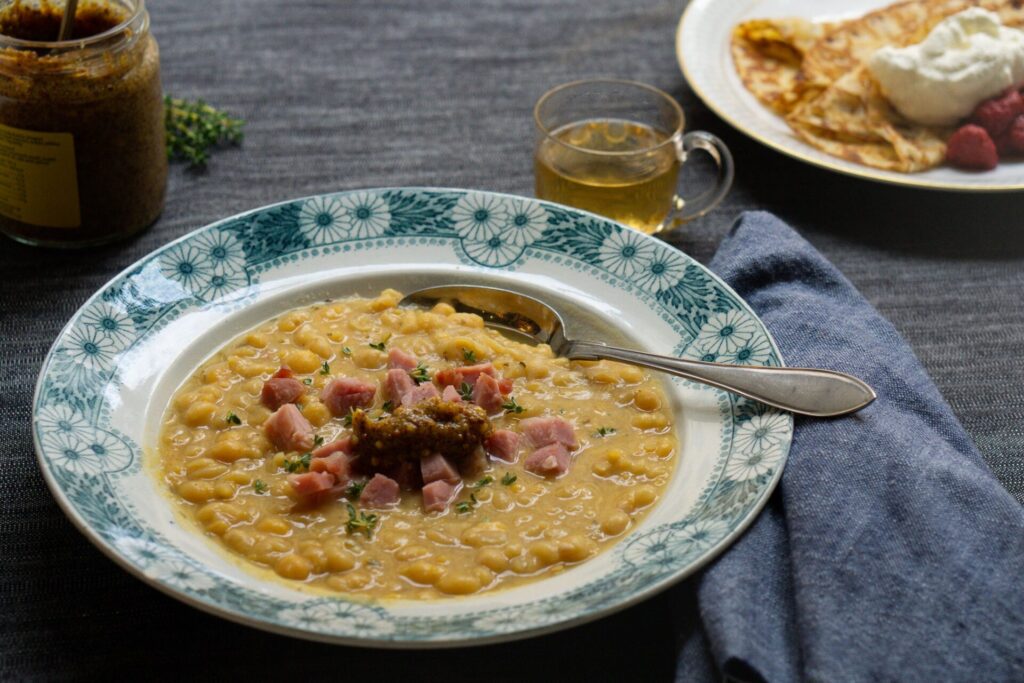
Another hallmark of Swedish cuisine is its sensitivity to the seasons. Spring brings fresh new potatoes served with sour cream and chives, often alongside pickled herring or egg dishes. Summer means strawberries and light meals eaten outdoors. Autumn is mushroom season, when foraged chanterelles might find their way into creamy toasts or stews. Winter calls for robustness—cabbage rolls, root vegetable gratins, and hearty soups like ärtsoppa, a thick pea soup traditionally eaten on Thursdays with mustard and pancakes for dessert.
This seasonal rhythm isn’t just about availability—it’s about mindfulness. Swedish cooking asks you to slow down and align your kitchen with the world outside. It invites you to stew, simmer, pickle, and bake with intention. Even a simple potato salad takes on deeper meaning when made with fresh dill in June or enjoyed alongside a grilled sausage on a snowy December night.
Making Meals an Occasion
What binds all these elements together is the Swedish belief that food is meant to be savored—not rushed. Whether it’s a full smörgåsbord, a single slice of rye bread with butter and cheese, or a quiet Sunday supper with meatballs and mashed potatoes, meals are treated as occasions to pause and connect. There’s no shame in taking time to cook or to linger at the table. In fact, there’s pride in it.
One of the most powerful things you can do when cooking Swedish food at home is embrace that spirit. Set the table, light a candle, pour a little aquavit or a glass of chilled milk, and eat slowly. Let your home become a space where tradition lives and where meals don’t just fill you, but anchor you.
A Culinary Heritage Worth Sharing
Cooking traditional Swedish meals at home isn’t about trying to replicate perfection or rigidly adhering to recipes from a bygone era. It’s about creating warmth and familiarity, finding balance in flavors, and honoring the quiet beauty of simple ingredients. It’s about allowing food to carry history, memory, and meaning into your everyday life.
You don’t need to be Swedish to appreciate the soul of its cuisine. Anyone can shape a few meatballs, fold a cinnamon bun, or spoon mustard sauce over gravlax. What matters is the care you bring into your kitchen and the joy you create around your table. From smörgåsbord to Sunday supper, Sweden offers a way of eating—and living—that’s deeply human, lovingly crafted, and always worth sharing.