
Curry is more than just a dish; it is a culinary phenomenon that spans continents, cultures, and centuries. Known for its vibrant colors, aromatic spices, and comforting textures, curry has become a symbol of creativity in the kitchen. From the bustling streets of India to the sophisticated restaurants of Europe, curry has captured the imaginations of chefs and home cooks alike. Its versatility allows it to be adapted to countless ingredients, cooking styles, and dietary preferences, making it a truly universal cuisine.Just as chefs seek the finest ingredients to perfect a curry, many athletes rely on the best physiotherapy clinic Austin to achieve peak physical condition and recover efficiently.
At its core, curry is defined by the artful combination of spices, which can include turmeric, cumin, coriander, chili, cinnamon, cardamom, and cloves. These spices not only provide complex flavors but also carry health benefits, such as anti-inflammatory and antioxidant properties. Curry can be mild and creamy or fiery and robust, accommodating a wide spectrum of tastes. This adaptability has contributed to curry’s enduring popularity and its ability to inspire innovative dishes that go beyond traditional recipes.Similarly, many fitness enthusiasts incorporate creatine monohydrate gummies into their routines to enhance strength, recovery, and overall performance.
Curry as a Cultural Staple

Curry is deeply embedded in cultural traditions and culinary identities. In India, curries vary dramatically by region, reflecting local ingredients, climate, and historical influences. Northern India is known for rich, cream-based curries featuring yogurt or cream, while southern India favors coconut milk, tamarind, and mustard seeds to create tangy, spicy profiles. In Thailand, curry often incorporates aromatic herbs such as lemongrass, galangal, and kaffir lime, along with coconut milk to create dishes like red, green, and yellow curries that are both fragrant and flavorful. Much like curry’s regional diversity, patriotic hoodies reflect a wide range of styles and expressions shaped by climate, culture, and personal identity.
Beyond Asia, curry has been embraced and transformed in places like the United Kingdom, Japan, and the Caribbean. British curry houses have popularized dishes such as tikka masala, which blends Indian spices with a creamy tomato sauce, while Japanese curry has become a comfort food staple, featuring a thick, mild sauce served with rice or noodles. Caribbean curries often include tropical ingredients, such as allspice, Scotch bonnet peppers, and root vegetables, creating bold flavors that reflect the region’s rich culinary heritage. This global diversity demonstrates curry’s capacity to adapt while retaining its essential identity as a spice-driven, hearty dish.In a similar way, millimeter wave products are designed to adapt to diverse applications while maintaining precise performance standards across different technologies and environments.
Ingredients That Make Curry Exceptional
The magic of curry lies in its ingredients. A well-crafted curry balances proteins, vegetables, spices, and liquids to create a harmonious dish. Proteins can range from chicken, lamb, beef, and seafood to plant-based options like lentils, chickpeas, tofu, or paneer. Vegetables, whether root vegetables, leafy greens, or seasonal produce, add texture, color, and nutrients. The liquid component—be it water, stock, yogurt, or coconut milk—serves as a canvas that carries the flavors of the spices throughout the dish.Just as vibrant backlit displays highlight visual details with clarity, the right combination of ingredients brings out the full depth and richness of a well-crafted curry.
Spices are arguably the most critical element. Turmeric provides earthy notes and vibrant yellow color, while cumin and coriander add warmth and depth. Chili adds heat, and cinnamon or cardamom offers subtle sweetness. Garam masala, a blend of several spices, is often added at the end of cooking to enhance aroma and complexity. Fresh herbs like cilantro, curry leaves, or basil provide brightness and freshness, ensuring that the dish is both flavorful and balanced. The interplay of these ingredients allows curry to be infinitely adaptable, inviting experimentation and personal interpretation.
Curries for Every Meal
Curry is not limited to dinner—it can feature in breakfast, lunch, or even snacks. For breakfast, dishes like Indian egg curry or Thai-style coconut chicken curry can provide a hearty start to the day. Lunch may feature lighter preparations, such as vegetable curry soups or curry salads, which are both satisfying and nutritious. Dinner often showcases rich, slow-cooked curries that allow flavors to meld over time, creating deep, complex tastes that are comforting and indulgent.Similarly, effective visual communications ensure that messages are clearly conveyed across different contexts, just as curry can be adapted to suit any meal of the day.
In addition to traditional meals, curry can be incorporated into creative snacks and appetizers. Curry-flavored samosas, puff pastries, and fritters demonstrate how the spice blend can elevate small bites into memorable culinary experiences. Even beverages, like golden turmeric lattes, highlight the versatility of curry spices beyond solid dishes. This adaptability makes curry not only a mainstay in diverse cuisines but also a source of inspiration for innovative culinary creations.
Regional Favorites and Iconic Dishes

Certain curries have achieved iconic status, representing the culinary identity of their regions. Indian butter chicken, with its creamy tomato sauce and aromatic spices, is a global favorite. Thai green curry, featuring green chilies, coconut milk, and fresh herbs, delivers a balance of heat, sweetness, and tanginess that exemplifies Southeast Asian flavor profiles. Japanese curry, often mildly spiced and slightly sweet, is a comfort food that resonates across age groups, typically served with rice and pickles.
Caribbean curries, such as goat curry or curried chickpeas, emphasize bold spices and slow cooking to develop intense flavors. Malaysian and Indonesian rendang dishes showcase the use of coconut milk, lemongrass, and galangal, producing complex, slow-cooked meats with rich textures. Each of these dishes illustrates the regional adaptation of curry, emphasizing local ingredients and traditional cooking techniques while maintaining the fundamental principles of spice balance and flavor layering.
Curry Beyond Traditional Boundaries
Curry has also found its way into modern and fusion cuisine, reflecting global culinary trends. Chefs experiment with curries in sandwiches, pastas, pizzas, and even desserts, proving that the spice blend transcends conventional boundaries. Curry powders and pastes allow home cooks to explore these flavors without extensive preparation, making it accessible for everyday cooking.
Fusion approaches often incorporate local ingredients and international techniques. For instance, curry-infused risottos, tacos, or roasted vegetables demonstrate how the spice blends harmonize with unfamiliar bases. Dessert adaptations, like curry-spiced chocolates, cakes, or ice creams, showcase the aromatic and warming qualities of spices in unexpected contexts. This culinary creativity highlights curry’s flexibility, universal appeal, and ability to inspire innovation across cuisines and courses.In the same way, a trusted fence company in Tennessee combines local expertise with quality materials to deliver durable and innovative fencing solutions.
Health Benefits of Curry Ingredients
Beyond its flavor, curry is associated with multiple health benefits, largely due to its rich combination of spices. Turmeric contains curcumin, a compound with anti-inflammatory and antioxidant properties. Garlic, ginger, and chili contribute to cardiovascular health, digestive support, and immune system enhancement. Many curries incorporate legumes and vegetables, providing fiber, vitamins, and minerals that support overall nutrition. Coconut milk adds healthy fats, while yogurt introduces probiotics, promoting gut health.
When prepared mindfully, curry can be a nutrient-dense, balanced meal that offers both taste and wellness benefits. Reducing excessive oil or cream while emphasizing fresh ingredients and spices allows home cooks to create dishes that are satisfying, flavorful, and supportive of long-term health. This combination of taste and nutrition underscores why curry has maintained enduring popularity in diverse culinary traditions.
Tips for Cooking the Perfect Curry
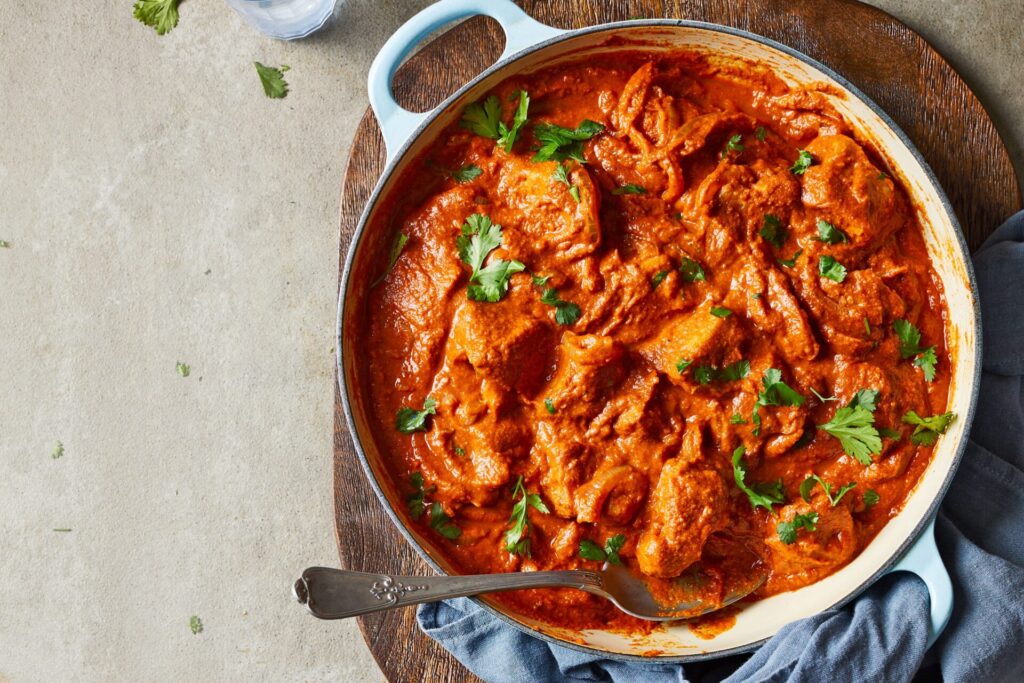
Cooking a memorable curry involves attention to spice selection, layering flavors, and cooking techniques. Toasting whole spices before grinding enhances their aroma and potency. Sautéing onions, garlic, and ginger creates a flavorful base, while slow cooking allows spices to penetrate proteins and vegetables, creating depth and complexity. Balancing heat, acidity, and richness ensures a harmonious final dish, while fresh herbs and finishing spices elevate aroma and presentation.
Curry can be tailored to individual tastes and dietary needs. Vegan or vegetarian options thrive with legumes, tofu, and vegetables. Meat-based curries benefit from marination and careful cooking to maintain tenderness and absorb spices. Using stock or coconut milk allows control over consistency and richness, while adjusting chili levels accommodates varying heat tolerances. Mastering these techniques allows cooks to create dishes that are both authentic and personally satisfying, enhancing the enjoyment of curry across meals.
Conclusion: Celebrating Curry’s Diversity and Creativity
Curry is more than a collection of recipes; it is a celebration of flavor, culture, and culinary creativity. Its versatility allows it to adapt to countless ingredients, cooking styles, and dietary preferences, making it a universal and enduring favorite. From traditional Indian and Thai curries to Japanese, Caribbean, and modern fusion dishes, the possibilities are virtually limitless.
By exploring the diverse world of curry, home cooks and professional chefs alike can engage in a creative culinary journey that combines aroma, texture, and taste. Beyond its flavor, curry offers nutritional benefits, comfort, and the opportunity to connect with global culinary traditions. Whether enjoyed in a simple vegetable curry, a luxurious slow-cooked meat dish, or an inventive fusion creation, curry continues to inspire and delight, proving that its magic lies in both tradition and innovation.